
Peter Arnett, Pulitzer-winning war correspondent who reported from Vietnam to Baghdad, dies at 91
December 18, 2025 02:40 pm
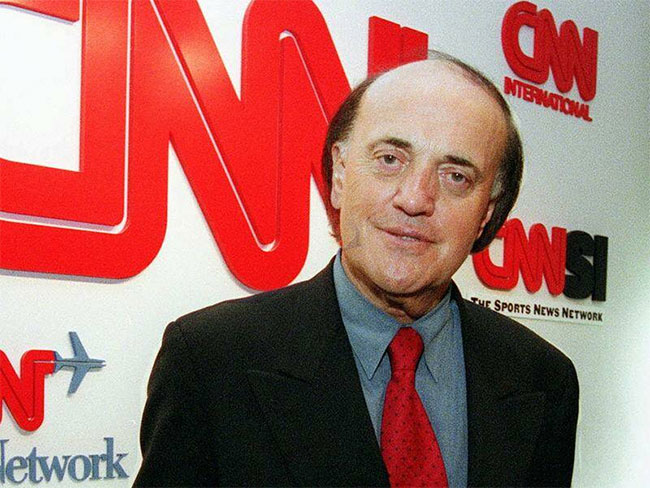
Peter Arnett, the renowned journalist who reported from the front lines of some of the most dangerous wars of the modern era, has died at the age of 91.
Arnett passed away on Wednesday, December 17, in Newport Beach, California. His daughter, Elsa Arnett, confirmed the news and said the cause was prostate cancer, The New York Times reported.
Arnett was one of the most respected war correspondents of his generation. Over a career lasting more than 45 years, he covered 17 wars across Asia, the Middle East, Europe and Latin America.
He began his career with The Associated Press and later became a household name during his 18 years with CNN.
Pulitzer Prize and the Vietnam War
Arnett rose to global prominence for his reporting from the Vietnam War. His detailed, ground-level coverage challenged official narratives and showed the harsh realities of combat. This work earned him the Pulitzer Prize and helped redefine war reporting by putting facts from the battlefield at the centre of the story.
Reporting history from Baghdad
Arnett became a familiar face on television during the 1991 Persian Gulf War. He was one of the last Western journalists broadcasting live from Baghdad as the bombing began.
In 2003, he returned to Iraq and again reported from the city during the US-led invasion, showing viewers the impact of war in real time.
High-profile interviews and major scoops
Throughout his career, Arnett interviewed many powerful and controversial figures, including Iraqi President Saddam Hussein. In 1997, he conducted a rare interview of Al Qaeda leader Osama bin Laden in Afghanistan.
He was known for ‘breaking the rules’ for breaking the news, because of which many political leaders would not appreciate it, but received much admiration from fellow journalists.
A career defined by courage
Arnett’s bravery was evident early on. In 1960, while covering a coup in Laos, he swam across the Mekong River with his story, passport and cash clenched in his teeth after communications were blocked, ensuring his report reached the world.
A lasting legacy
Apart from frontline reporting, Arnett wrote two books, produced documentaries and lectured widely. Many years back, in his interview with a New Zealand journalist, he said it’s “not a great new era of journalism, it’s a great new era for information… I don’t think it’s a very good era for journalists at all”.
Peter Arnett leaves a powerful legacy behind - one of fearless reporting that will continue to inspire journalists worldwide, according to stuff.co.nz.
Source: Hindustan Times
--Agencies