
Education Ministry issues guidelines for schools amid extreme heat
March 30, 2026 04:16 pm
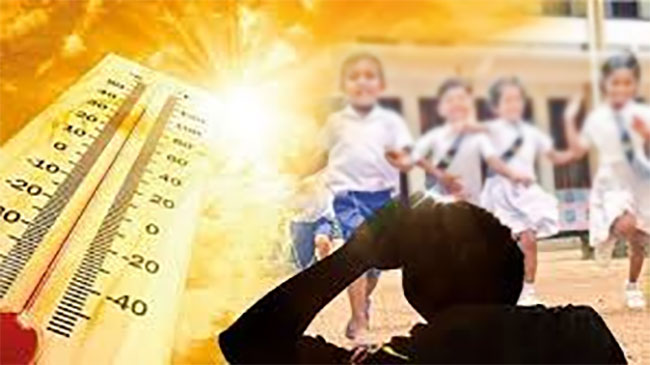
The Ministry of Education has issued a detailed set of guidelines on how schools should operate during the prevailing dry and high-temperature conditions.
The circular, signed by the Secretary to the Ministry Education, Nalaka Kaluwewe has been sent to all Provincial Directors of Education, urging immediate attention to student safety and well-being.
Health Risks & First Aid Measures
The guidelines highlight key heat-related health conditions:
Heat Cramps – Muscle pain or spasms in limbs and abdomen due to dehydration and salt loss.
First aid: Rest in a cool place and drink water regularly (half a glass every 15 minutes).
Heat Exhaustion – Excessive sweating, fatigue, and dizziness.
First aid: Rest in a cool area, hydrate frequently, and cool the body with water or bathing.
Heat Stroke – A life-threatening condition marked by high body temperature, rapid pulse, breathing difficulty, confusion, or unconsciousness.
First aid: Move to a shaded area, loosen clothing, cool the body, and seek urgent medical attention. Emergency services (1990 ambulance) should be contacted immediately.
School Activity Guidelines
- Avoid outdoor and sports activities on extremely hot days.
- Limit sun exposure during school intervals and prevent outdoor play in harsh sunlight.
- Provide at least two short breaks for hydration and rest.
- Avoid taking students outdoors during peak afternoon heat unless essential.
- Plan sports meets and training based on regional weather conditions.
Facilities & School Environment
- Ensure continuous access to safe drinking water and encourage frequent hydration.
- Arrange alternative water supply methods where facilities are insufficient, with support from district authorities if needed.
- Keep classroom doors and windows open for proper ventilation; fans should be used alongside open airflow.
- Relocate classes from heat-prone buildings (such as top floors or poorly ventilated structures) to safer temporary spaces if necessary.
Precautions
- Loosen or avoid wearing neckties and minimize restrictive clothing.
- Use hats or umbrellas when exposed to strong sunlight.
- Wear light-colored, loose cotton clothing (also recommended after school).
- Carry boiled and cooled drinking water when leaving home.
- Increase water intake beyond normal levels; natural drinks like king coconut are recommended, while sugary beverages should be avoided.
- Cool the body by washing face, hands, and feet with water when feeling overheated.
- Immediately inform teachers or adults if experiencing heat-related symptoms and seek medical advice without delay.