







Sri Lanka strongly rejected the unsubstantiated statements in the update of the UN Human Rights Commissioner, Navi Pillay while stating that the Commissioner had no mandate to claim that the international community had a duty to establish its own mechanism of inquiry on Sri Lanka.
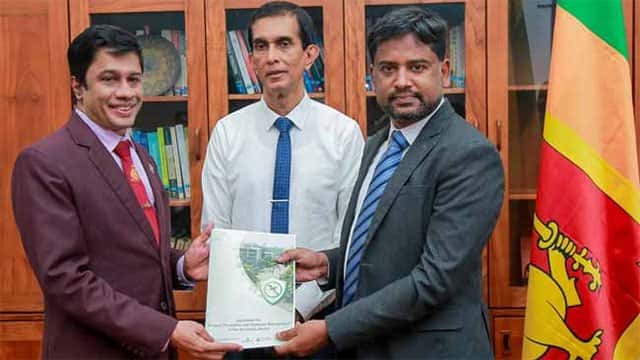
Sri Lanka’s Permanent Representative to the UN in Geneva, Ravinatha Aryasinha addressing the UNHRC following an oral update on Sri Lanka by the UN Human Rights Commissioner said that it was unfortunate that the update was not objective despite the Commissioner’s personal visit to the country.
Sri Lanka has already lodged a protest against the President of the Human Rights Council that contrary to the IB package and UN rules of procedure which casts a duty on the OHCR acts as a secretariat to the HRC to circulate documents in an early and timely manner so that an advanced copy of the High Commissioner’s oral update was received by the mission only at 18:30 yesterday (September 24) leaving us barely a night to prepare our response.
Our stand is that this resolution is not the result of an objective assessment on the ground situation in Sri Lanka but the outcome of a politicized process premised on a report which exceeded the mandate granted by the previous resolution 19/2, he said.
Despite the government’s opposition to the resolutions he said that the government has nonetheless continued its commitment to the reconciliation process within the framework of the national plan of action on the implementation of the recommendations of the Lessons Learnt and Reconciliation Commission (LLRC) and also kept the council informed in this regard.
He also stated that he was addressing the council in the aftermath of a visit by the UN Commissioner on Human Rights to Sri Lanka and more importantly following the Provincial Council election which was carried out in a fair and free manner which he added was the ultimate test of democracy.
He assured the council that the government will continue to work with all the Provincial Councils in the country including the newly elected Northern Provincial Council therefore the High Commissioner’s recommendation to work with the Northern PC is a misnomer and are hallmarks of prejudgment on the delivery of a sovereign government’s responsibilities.
Aryasinha conceded that there is still work to be done in the ongoing reconciliation process but with the admission of the Commissioner that she was allowed to go anywhere and see anything she wanted to during her visit to Sri Lanka there was a legitimate expectancy that her update would be objective.
However, he claimed it was unfortunate that this was not the case and charged that the High Commissioner had no mandate to make a claim regarding the international community’s duty to establish its own system of inquiry if Sri Lanka does not address her concerns by March 2014.
He also rejected accusations regarding the harassment and violence against women in the North stating that the government had taken concrete action against all reported cases and is continuing to do so.
Aryasinha also stated that Sri Lanka strongly reject the unsubstantiated statements in the High Commissioner’s update that the rule of law and the democratic institutions of Sri Lanka are being undermined and eroded.