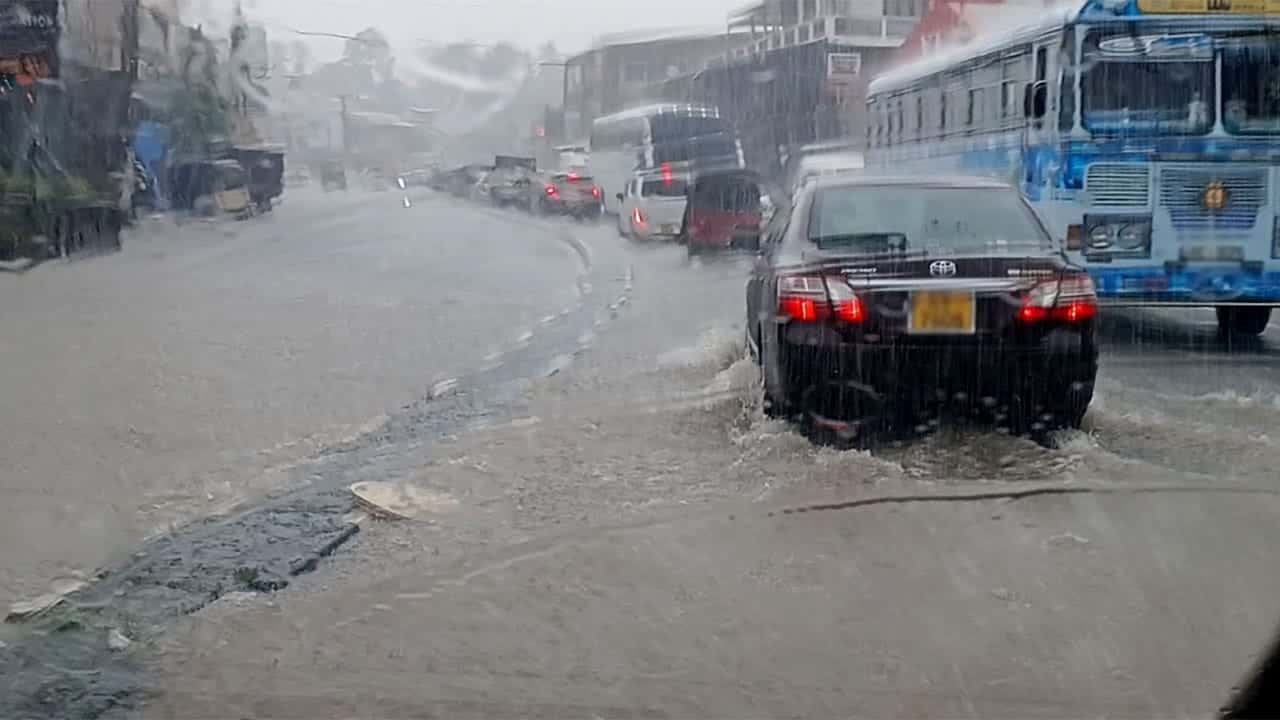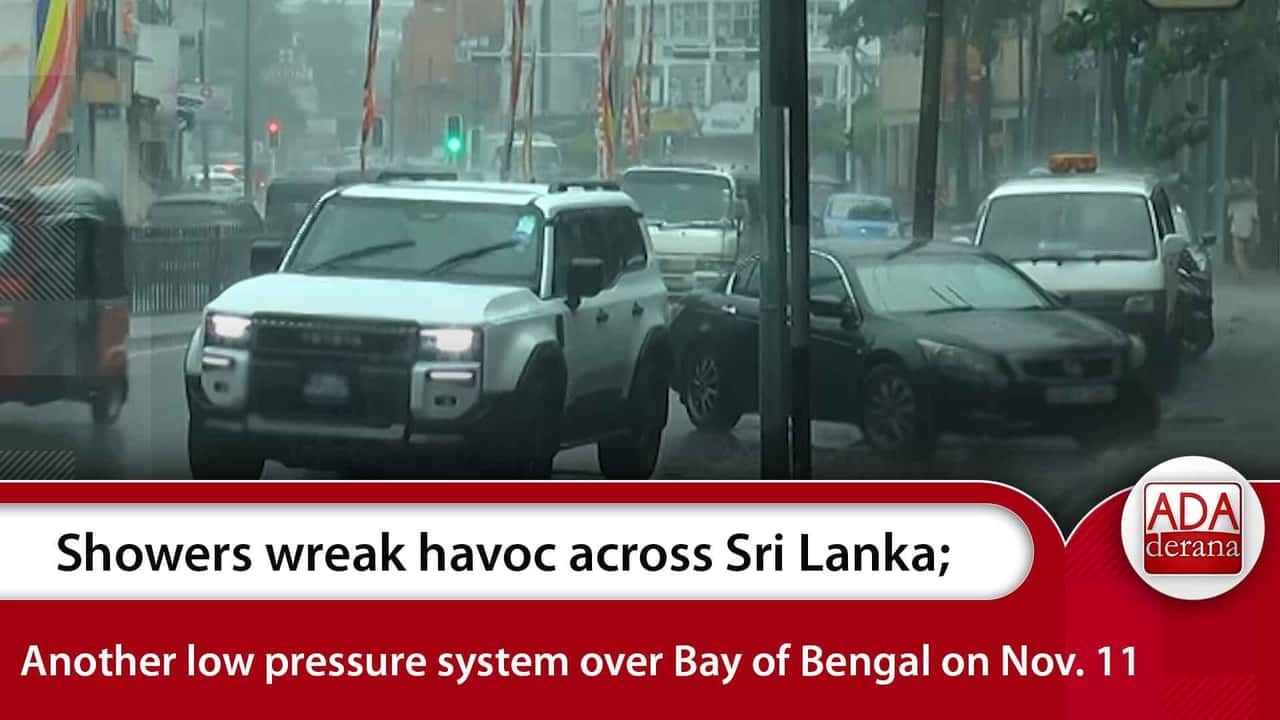








Health authorities have warned of an increased risk of Leptospirosis, commonly known as rat fever, across the island with the onset of the ‘Maha’ cultivation season and the prevailing monsoon rains.
Nearly 7,000 cases of Leptospirosis have been reported so far this year, while the Epidemiology Unit and the Health Promotion Bureau have jointly issued a special notice urging the public to remain vigilant to prevent a further increase in infections amid the expected rainy weather.
Medical professionals point out that approximately 300 people die from the disease annually.
According to data recorded so far this year, the following districts have reported the highest numbers of Leptospirosis cases:
- Ratnapura
- Kegalle
- Galle
- Matara
The risk of infection is particularly high among farmers engaged in paddy cultivation and others involved in outdoor activities, especially during rainy periods and floods.
What is Leptospirosis and how does it spread?
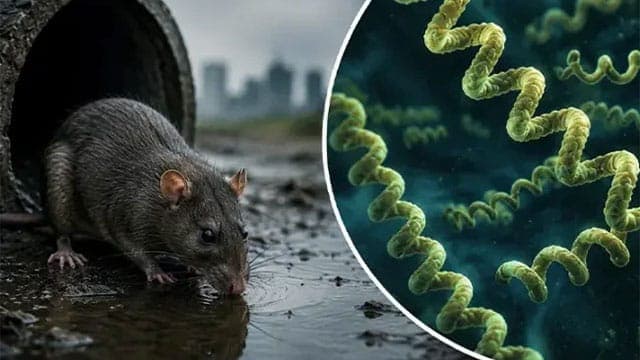
Leptospirosis, commonly known as rat fever, is a serious bacterial disease transmitted from animals to humans.
The bacteria enter water or mud through the urine of rats and other domestic and wild animals.
The disease can be transmitted when contaminated water or mud enters the body through cuts, wounds or natural breaks in the skin.
Precautionary measures to prevent the disease
Health authorities have stressed the importance of following the recommended safety measures when engaging in Maha cultivation activities and other outdoor work.
- Obtain preventive medication recommended by a medical professional before engaging in paddy cultivation or other activities involving exposure to mud.
- Wear appropriate protective footwear, such as rubber boots, and gloves when working in muddy or waterlogged areas.
- If there are cuts, wounds or abrasions on the body, clean the affected areas and cover them properly with waterproof dressings before entering water or muddy areas.
Medical professionals also point out that the symptoms of Leptospirosis can often resemble those of diseases such as dengue and influenza.
Anyone experiencing symptoms such as fever, severe headache, muscle pain or redness of the eyes should seek immediate medical attention without resorting to self-medication.
Health authorities emphasise that early diagnosis and timely treatment can prevent serious complications and loss of life.