





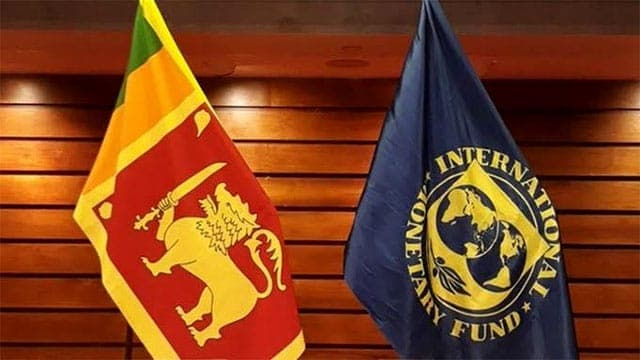


As Sri Lanka prepares to exit a $2.9 billion IMF programme early next year, analysts say a follow-up programme with the international lender to underpin the country's recent budget would help it weather volatile global energy costs, post stronger growth and prepare for debt repayments.
Sri Lankan President Anura Kumara Dissanayake delivered his third budget on Thursday, and took the opportunity to trace the country's recovery from a deep financial crisis four years ago —when foreign reserves ran dangerously low and left the island nation unable to pay for essentials such as fuel — to its current $7 billion in reserves.
Sri Lanka's existing $2.9 billion programme with the IMF will end in March, and the budget is part of efforts to strengthen the economy before the country restarts foreign debt repayments to bondholders and bilateral lenders such as Japan, China and India in 2028, Dissanayake said.
However, analysts say the budget would benefit from a follow-up programme from the IMF to ensure Sri Lanka maintains its recovery, which would encourage ratings agencies to upgrade the island nation so it can cut debt servicing costs and reduce repayment spikes.
Sri Lanka's total foreign debt repayment is nearly $3 billion next year and $3.6 billion in 2028.
"A follow-on IMF programme could serve as a supportive policy anchor and help provide a financing backstop amid relatively volatile global conditions," said Jeremy Zook, a senior director at Fitch Ratings.
"A lengthening record of fiscal policy credibility and healthy primary surpluses will likely be critical towards ensuring debt sustainability and supporting potential future rating momentum."
A committee has been appointed to consider whether Sri Lanka needs a follow-up IMF programme after March.
"This reaffirms our baseline view that Sri Lanka will most likely enter some form of IMF engagement after March 2027, but one that affords greater policy discretion and calibrated targets," said Baqar M Zaidi, an economist at Citi.
The options under consideration could include a funded Stand-By Arrangement and a Policy Coordination Instrument, Zaidi added.
The budget outlined plans to raise about 90 billion rupees ($270 million) from dollar-denominated treasury bonds in 2027, but skipped mention of floating international sovereign bonds next year.
The IMF will provide its budget assessment in the staff report for the Seventh Review after a meeting with its executive board. Sri Lanka is expected to receive $345 million after the board meeting.
Sri Lanka expects 4% growth for 2027 and 4.2% over a 3-to-5-year horizon, but will require growth of 6% or higher to make a deeper dent in its debt repayments, analysts said.
Source: Reuters
-Agencies