




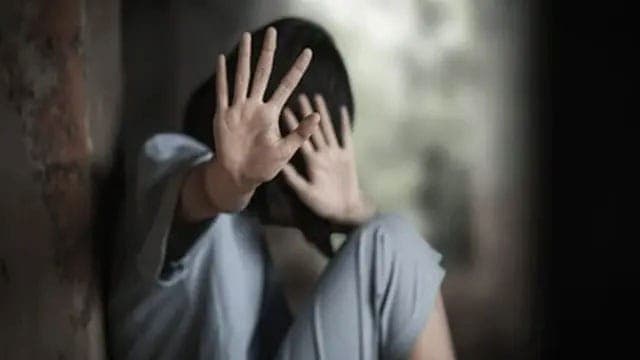


Nearly half (49.3%) of women in Sri Lanka who have experienced sexual violence at the hands of an intimate partner have not sought any form of formal support, according to findings of the National Women’s Wellbeing Survey.
The survey revealed that two out of every five women (39.8%) who had been in a relationship had experienced physical, sexual, emotional or economic violence during their lifetime.
It also found that one in five women (20.4%) had experienced physical and/or sexual violence perpetrated by an intimate partner.
Social stigma, fear of retaliation and limited awareness of available support services have been identified as key factors preventing survivors from seeking assistance.
In response to these concerns, Sri Lanka has officially launched a national initiative aimed at strengthening access to justice for survivors of gender-based violence (GBV).
The initiative has been jointly introduced by the Ministry of Women and Child Affairs, the United Nations Population Fund (UNFPA) Sri Lanka and the Forum Against Gender-Based Violence (FAGBV).
The programme was outlined at a special media briefing held at the Department of Government Information, attended by Minister of Women and Child Affairs Saroja Savithri Paulraj ans several others.
The campaign will run from November 25, the International Day for the Elimination of Violence Against Women, until December 10, Human Rights Day, under the national theme, "#JusticeIsMyRight – Unite to End Gender-Based Violence."
As part of the campaign, a national march will be held on Wednesday, November 25, from Colombo Racecourse to the Colombo Municipal Council. The march will be followed by a dialogue focusing on overcoming barriers to accessing justice.
A National Digital Directory of GBV Service Providers will also be introduced to strengthen coordination among institutions providing support to survivors of gender-based violence.
In addition, a public awareness initiative titled "It's Not a Small Thing" will be launched to encourage communities to recognise and intervene in incidents of sexual harassment in public spaces and domestic violence.
Recommendations on legal and policy reforms will also be consolidated and presented to the Parliamentary Women's Caucus on December 12 and 13.
The campaign will further seek to raise public awareness of the 24-hour toll-free Women's Helpline (1938), which provides assistance to women experiencing violence.