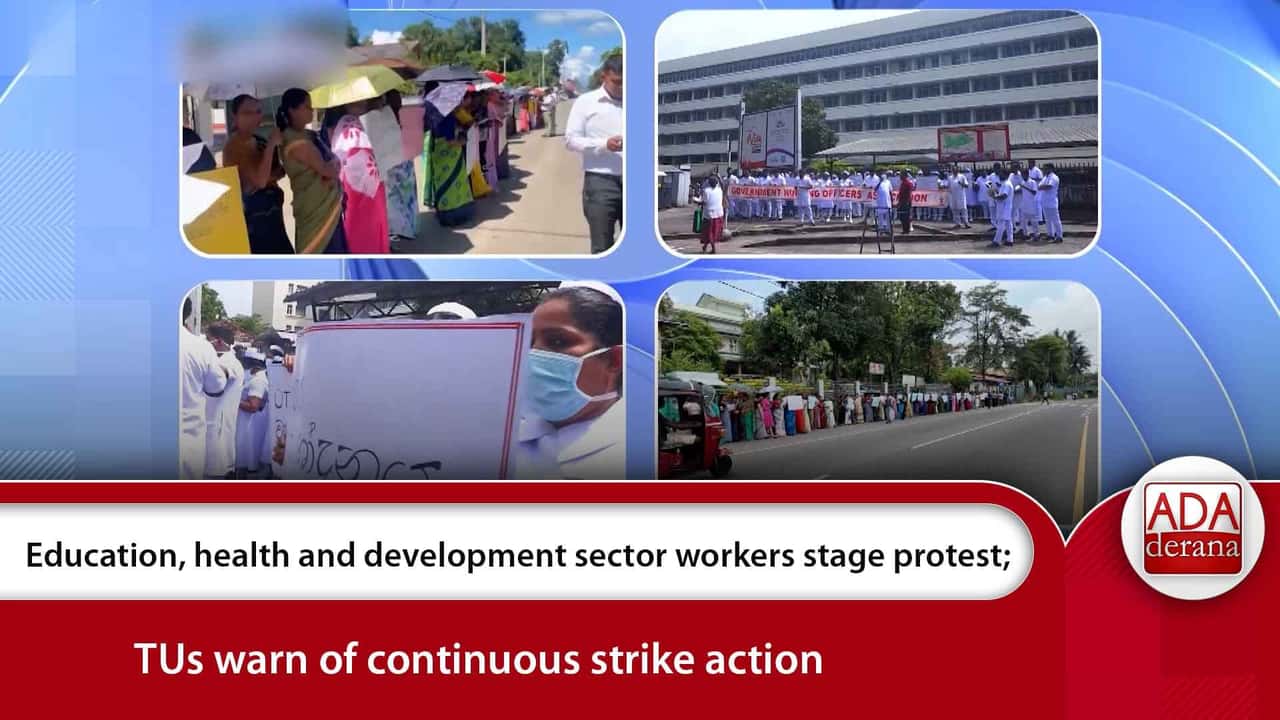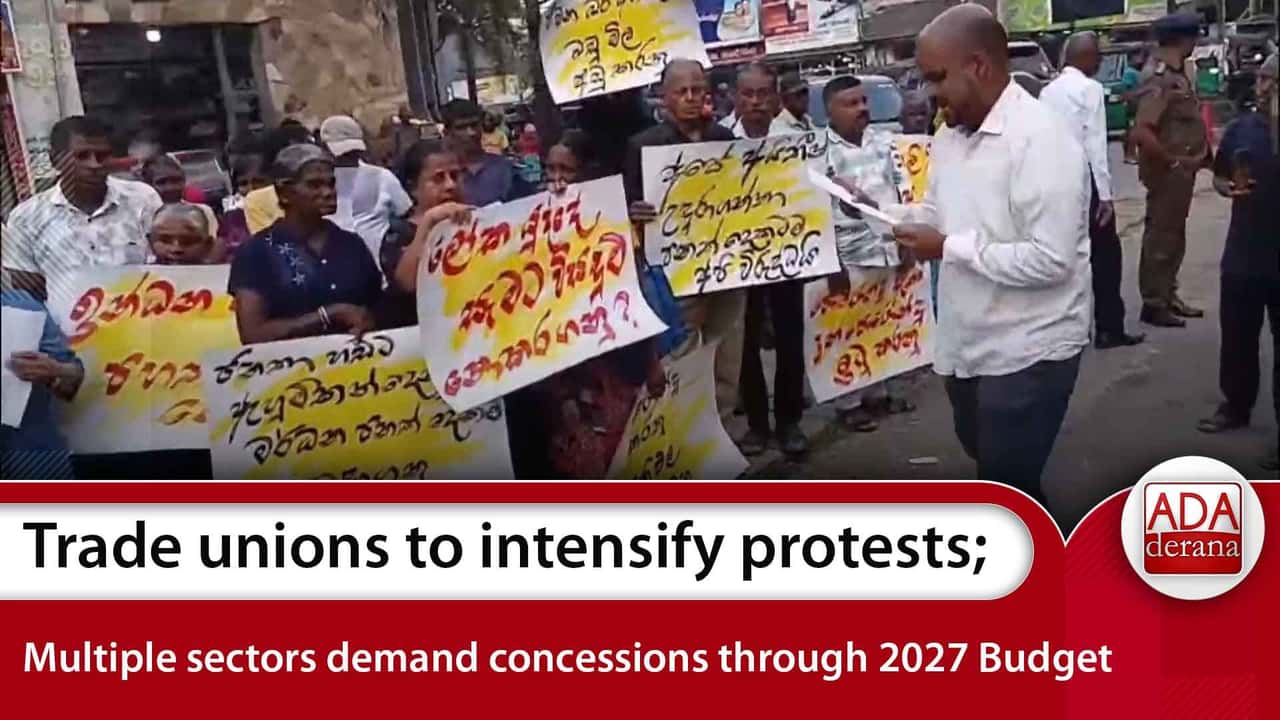





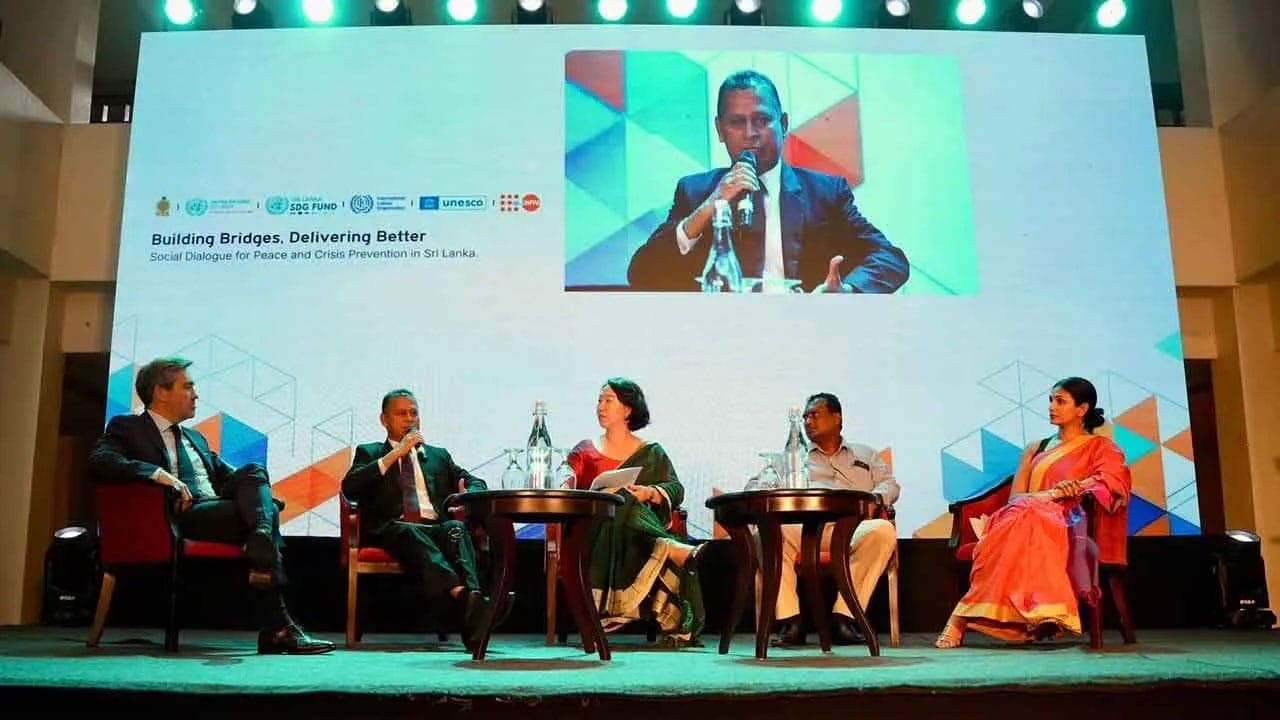


The United Nations and the Government of Sri Lanka have concluded a two-year joint programme aimed at strengthening social cohesion and promoting inclusive economic recovery through dialogue among government institutions, private sector workplaces and local communities.
The programme, titled Social Dialogue for Peace and Crisis Prevention in Sri Lanka, was designed to provide workers and communities with opportunities to raise concerns and participate in decisions affecting their lives.
One of the key achievements of the initiative was the adoption of the Declaration on Social Dialogue in the Public Service, establishing South Asia's first national framework for social dialogue within the public sector, according to the programme's organisers.
The initiative was launched in response to the economic difficulties faced by Sri Lankan households following the country's economic crisis, including increased taxation, rising living costs, declining purchasing power and persistent poverty.
The programme sought to bring together the government, employers, workers and communities to address concerns through dialogue, prevent disputes and support a more inclusive economic recovery.
UN Resident Coordinator in Sri Lanka, Marc-André Franche, said economic recovery should lead to improved public services, fairer working conditions and greater opportunities for communities to shape their future.
He stressed that addressing public concerns required not only listening to people but also taking meaningful action.
The programme was funded by the United Nations Sustainable Development Goals Fund in Sri Lanka and jointly implemented by the International Labour Organization (ILO), the United Nations Educational, Scientific and Cultural Organization (UNESCO) and the United Nations Population Fund (UNFPA).
As part of its public sector initiative, the programme focused on strengthening social dialogue among Sri Lanka's nearly 1.4 million public sector employees through a three-tier mechanism covering workplace, sectoral and national levels.
Under this initiative, 87 workplace forums and seven sectoral forums were established.
The programme also supported measures to promote gender equality, prevent and address workplace sexual harassment, strengthen grievance redress mechanisms and increase women's participation and leadership.
Meanwhile, recognising that approximately two-thirds of Sri Lanka's workforce is employed in the informal economy, the initiative also focused on involving women, young people and underrepresented groups in local decision-making.
A total of 33 community forums received support in the Gampaha, Badulla and Batticaloa districts, while more than 180 forum members were trained to understand policy-making processes and present community priorities to district-level officials.
The United Nations stated that the programme had helped strengthen trust among the public sector, private businesses and communities while establishing mechanisms to raise concerns and address grievances.
It further emphasised the importance of continued engagement among the government, employers, workers and communities to sustain the progress made and strengthen social cohesion across the country.