





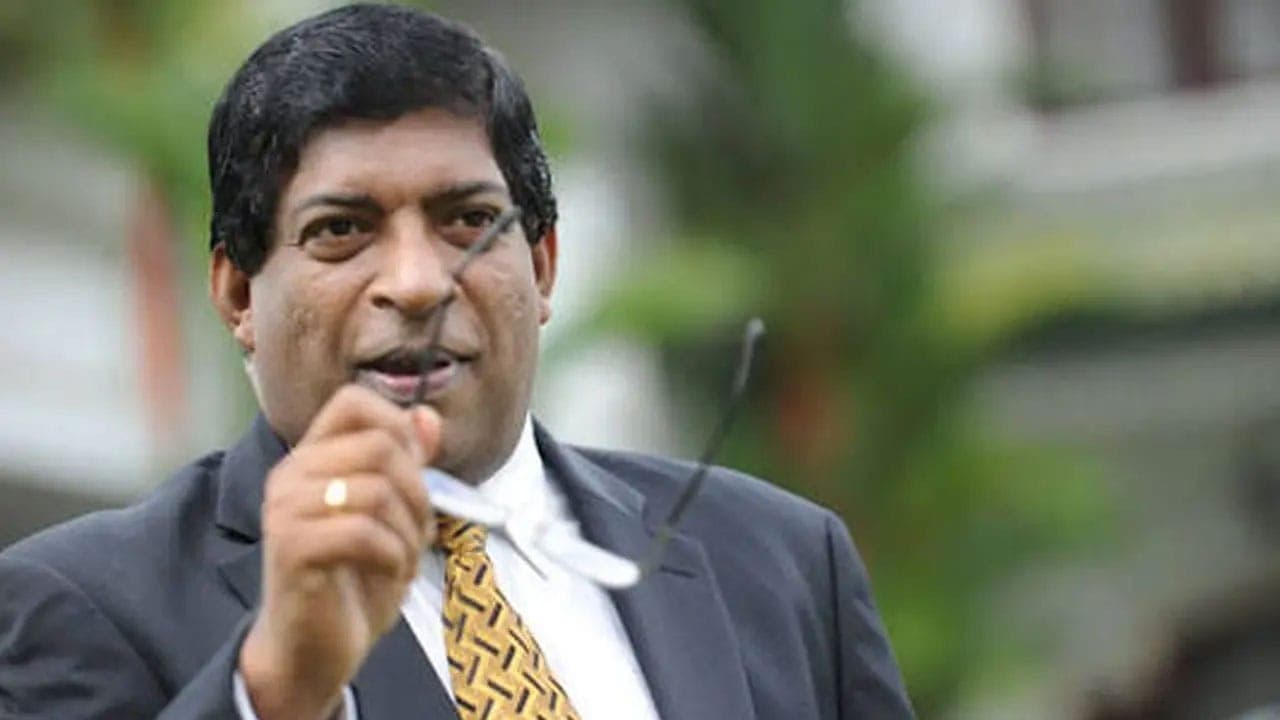


Former Minister of Finance Ravi Karunanayake has questioned the rise in inflation to 8.5 per cent under the current government, despite its previous criticism of earlier administrations over their inability to control inflation.
Karunanayake said inflation remained significantly lower in several other countries facing the global economic crisis and questioned the factors contributing to the increase in Sri Lanka.
He pointed out that previous governments had been blamed for inflation caused by excessive borrowing and money printing. However, he argued that the current situation required a reassessment of the reasons behind rising prices, given the government’s claims of fiscal discipline and the independence of the Central Bank.
“Now, within an independent Central Bank, when the government is not borrowing money, even while holding a surplus, and when there is no demand-driven surge like this, how then is there an inflation rate of 8.5%?” he asked.
Former Minister Karunanayake further questioned whether the increase indicated a possible issue within the independent Central Bank, noting that earlier administrations had been criticised for inflation resulting from monetary expansion.
He also recalled his previous concerns regarding the decision to allow vehicle imports, stating that the potential depreciation of the rupee could create economic difficulties.
“The issue was not merely expressing disapproval; if opening this up causes the rupee to depreciate, that depreciation is what turns into a problem today,” he said.
Karunanayake added that developments over the past two years had demonstrated the validity of his earlier concerns.
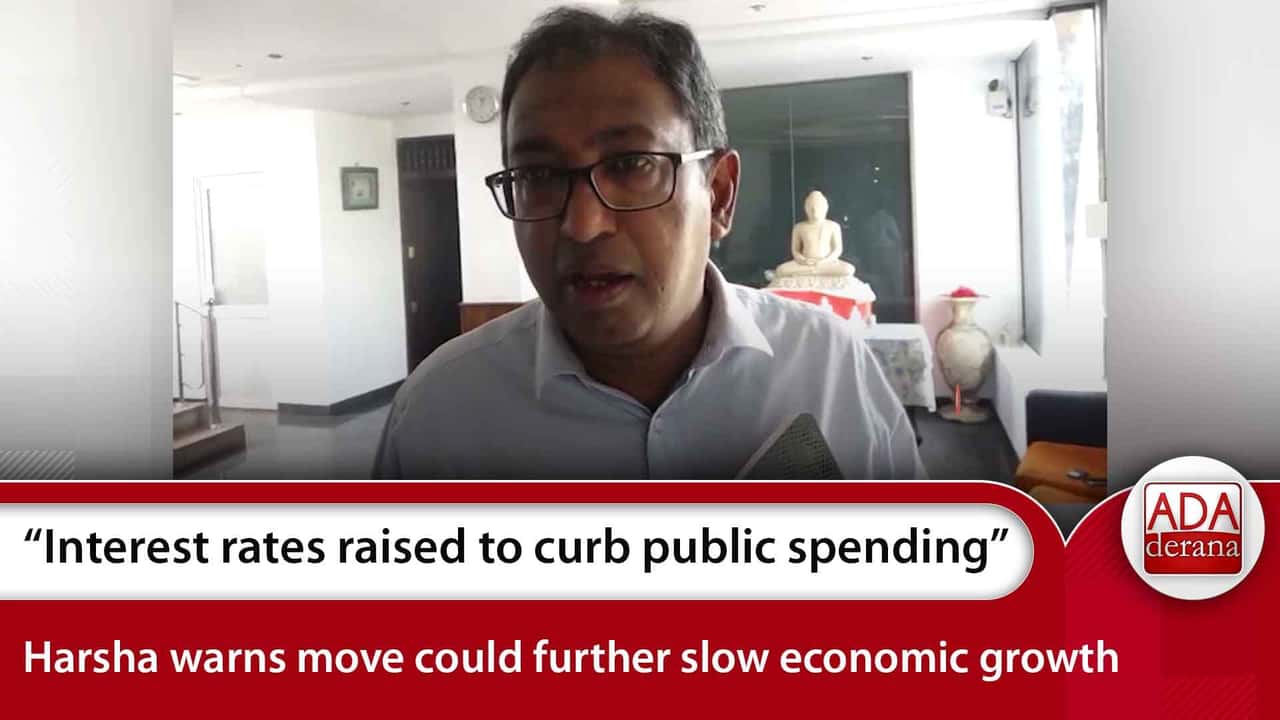
Commenting on the impact of interest rate increases on the economy, he said that using higher borrowing costs to curb inflation could create significant challenges for businesses and economic growth.
He explained that reducing import taxes would have limited benefits if domestic production costs continued to rise, including expenses related to electricity, water, wages and fuel. Such increases, he said, would raise the cost of locally manufactured goods and exports, undermining their competitiveness.
Karunanayake also highlighted the difficulties faced by small and medium-sized enterprises (SMEs), stating that although the policy interest rate was around 9 per cent, businesses often had to borrow at rates of 15 to 16 per cent.
He criticised the continued use of high interest rates to reduce money circulation, arguing that the policy was constraining economic activity.
“Increasing interest rates to control inflation and thereby contracting our economy by reducing money circulation is a harmful policy,” he said.
Karunanayake warned that maintaining such a policy for an extended period could hinder economic recovery and weaken growth prospects.
He said that an economy previously recording growth rates of 7, 8 or 9 per cent could face severe difficulties if economic contraction continued, adding that the resulting situation could become unbearable for the country.