







The risk of earth tremors occurring in Sri Lanka’s Central Highlands could increase during periods of heavy rainfall, the Emeritus Professor in the Department of Geology at the University of Peradeniya, Atula Senaratne has warned.
He explained that when reservoirs become filled with water following heavy rainfall, the additional weight can create significant stress on the rock formations beneath them.
This pressure could trigger minor movements along existing fractures in the rock layers, potentially resulting in tremors.
According to Professor Senaratne, such tremors have been reported in the Central Highlands over the past five to six years.
He said the authorities had previously been urged to install more seismic monitoring equipment across the country. While Sri Lanka initially had only four seismic monitoring stations, the number has now increased to around 13 or 14, mainly in the Central Highlands and other relevant areas.
Meanwhile, Professor Senaratne warned that earthquakes occurring in the eastern Indian Ocean region could pose a potential threat to Sri Lanka.
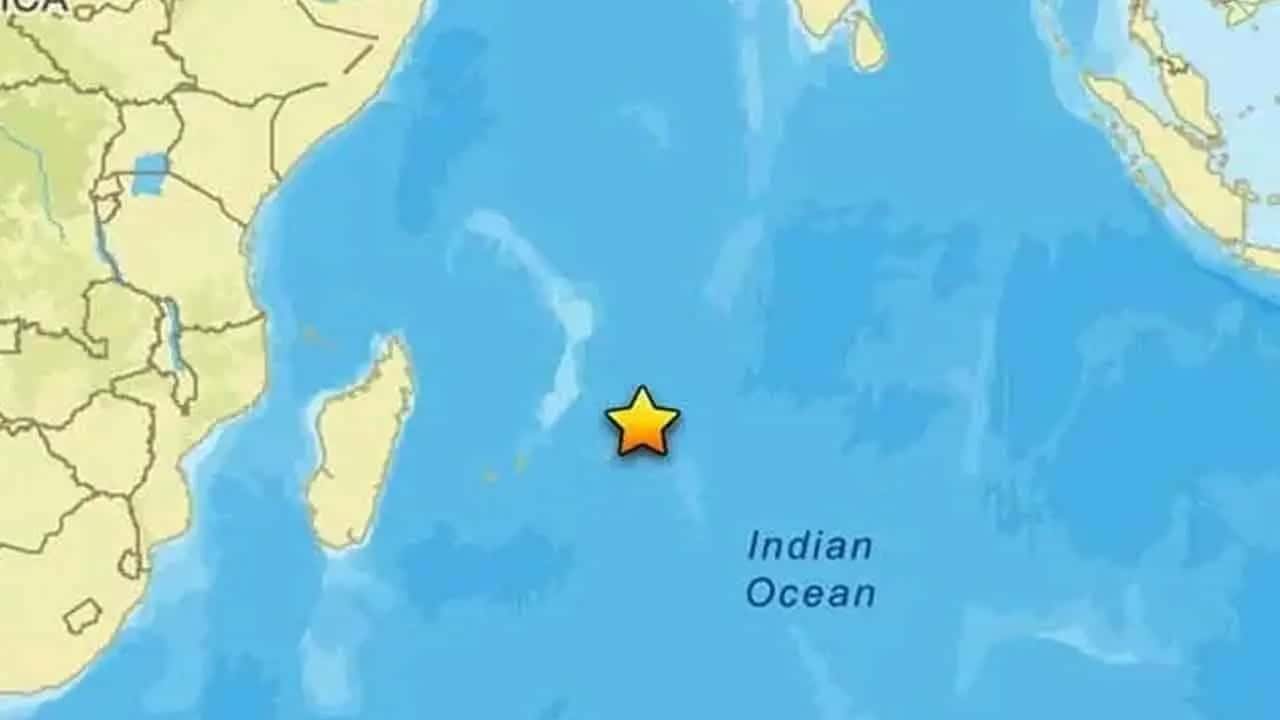
Commenting on the 6.5-magnitude earthquake reported in the Mauritius region of the Indian Ocean yesterday, he said it was unlikely to pose a tsunami threat to Sri Lanka because it occurred far away in the deep ocean, along the western boundary of the Indo-Australian tectonic plate.
He explained that Sri Lanka could face a tsunami threat if an undersea earthquake occurs in the eastern Indian Ocean, particularly in shallow waters near Indonesia or the Andaman Islands.
He stressed that earthquakes occurring in other regions of the Indian Ocean would not necessarily pose a similar threat to the country.