




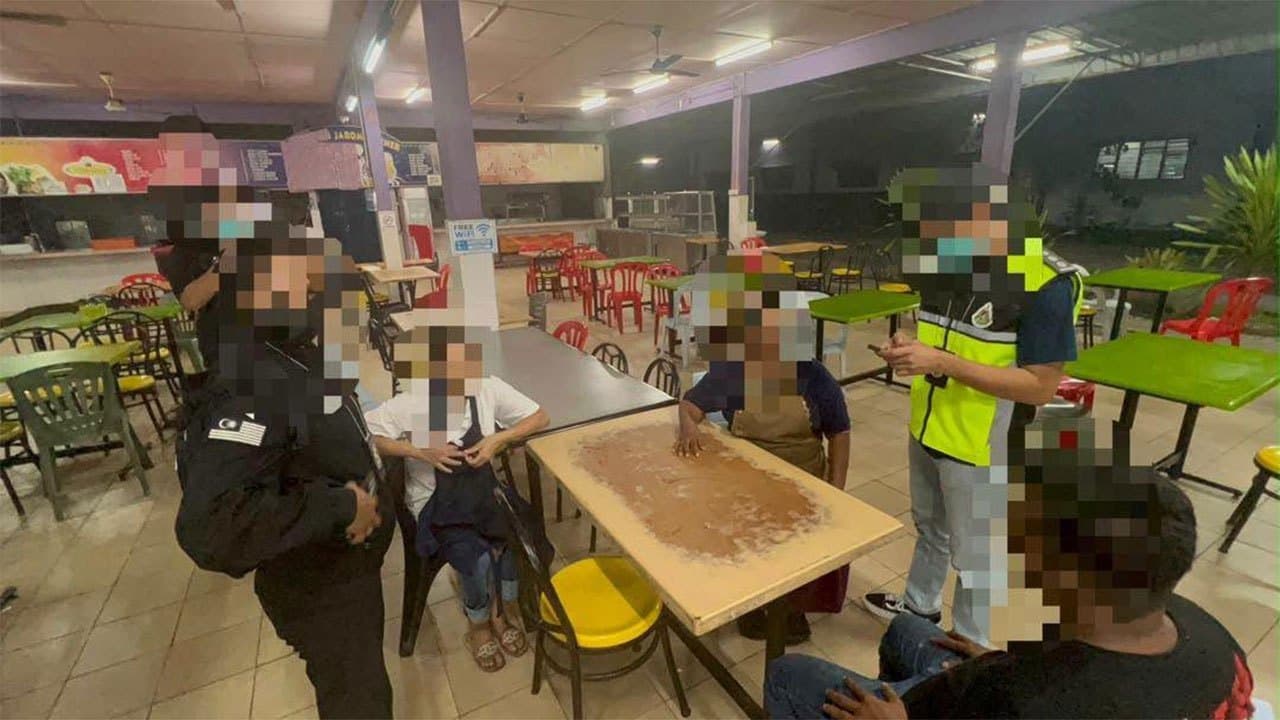



The Immigration Department of Malaysia has arrested a Sri Lankan man suspected of exploiting a fellow countryman as forced labour in operations at three locations around Jenjarom, Selangor.
The operation was carried out based on a public complaint and intelligence information regarding a woman from Sri Lanka who is believed to be a victim of exploitation by her employer, the department said in a statement.
The intelligence information led to the identification of the suspect, who is believed to be involved in human trafficking activities.
In addition to the suspect, six other Sri Lankans aged between 21 and 51 years, including four men and two women, were also arrested for not having valid travel documents or passports.
The arrest of the 38-year-old suspect was the result of a public complaint and intelligence from the Anti-Human Trafficking and Anti-Smuggling of Migrants Prevention Division and AMLA, according to Malaysian media reports.
Malaysia’s Immigration Director-General Datuk Zakaria Shaaban said the operation also led to the rescue of a Sri Lankan woman who was identified as a victim of forced labour exploitation.
"Initial investigations found that the victim was believed to have been deceived with job offers and promises of obtaining a work permit before being brought into Malaysia to work at a food premises owned by the suspect," he said in a statement today.
Zakaria said the victim was believed to have been forced to work without receiving pay, not given sufficient food, had movements controlled and suffered physical violence as a form of threat and intimidation.
"Six other Sri Lankans aged between 21 and 51 were also detained for not having valid travel documents or passes," he explained.
“Investigations found that the suspect, who holds a Long-Term Social Visit Pass through marriage to a Malaysian citizen, is being investigated under Section 12 of the ATIPSOM Act and the Immigration Act 1959/63,” he said, adding that the Immigration Department will not compromise on any form of worker exploitation and human trafficking.
--With Inputs from Agencies