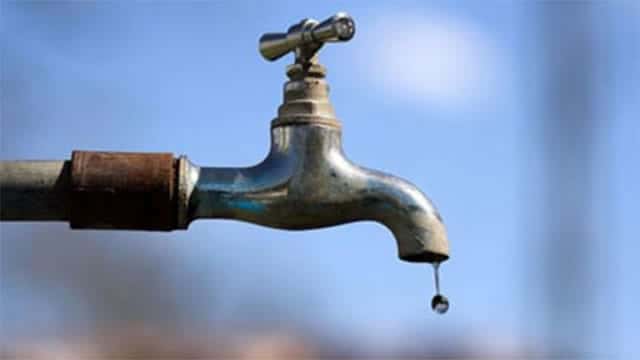






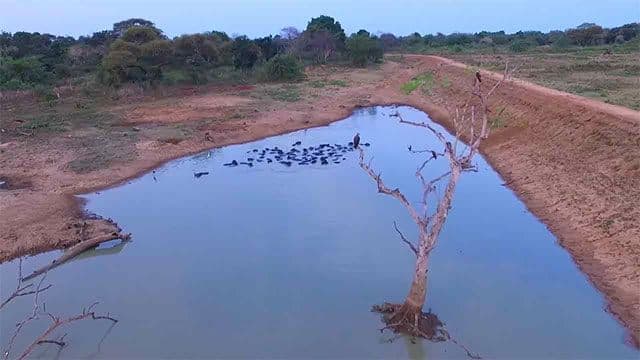


Although water levels in the main reservoirs of the island’s wet zone remain stable, the water capacity of reservoirs in the dry zone is rapidly declining, according to the Director of Irrigation, Engineer L. S. Sooriyabandara.
He noted that the water capacity of certain reservoirs in the Hambantota, Batticaloa, Monaragala, Mannar, and Trincomalee districts has fallen below 30%. Furthermore, the Director stated that the overall water capacity of the island’s 74 major reservoirs has declined to 36%.
Although dry weather is typical during August, the situation has worsened this year due to the prevailing El Niño climate anomaly.
In addition, high temperatures are causing rapid evaporation, further depleting water levels in lakes and reservoirs.
Under these conditions, water demand is increasing while available water resources are rapidly diminishing. Consequently, in areas experiencing severe dry weather, water must be prioritised for drinking and environmental needs, making it difficult to release sufficient water for agricultural cultivation.
Engineer Sooriyabandara added that drinking water supplies have not been restricted so far. However, measures have been taken to limit the amount of water released for agricultural purposes in certain areas. He emphasised that the only way to cope with this challenging situation is to use water extremely carefully and act with greater environmental responsibility.
The Director further warned that the prevailing heat and dry conditions are increasing the risk of wildfires, which could spread rapidly. He urged the public to remain highly vigilant about this threat and stressed the importance of staying informed about El Niño forecasts in order to prepare for upcoming weather changes.
Meanwhile, the Disaster Management Centre (DMC) reported that seven districts across the island have been affected by the El Niño-related dry conditions, with 23 Divisional Secretariat Divisions experiencing the effects of the dry spell.
A total of 81,865 people from 25,628 families have been affected by these conditions. In response, the DMC has taken measures to distribute drinking water across 20 Divisional Secretariat Divisions, providing safe drinking water to 72,153 people from 23,048 families.