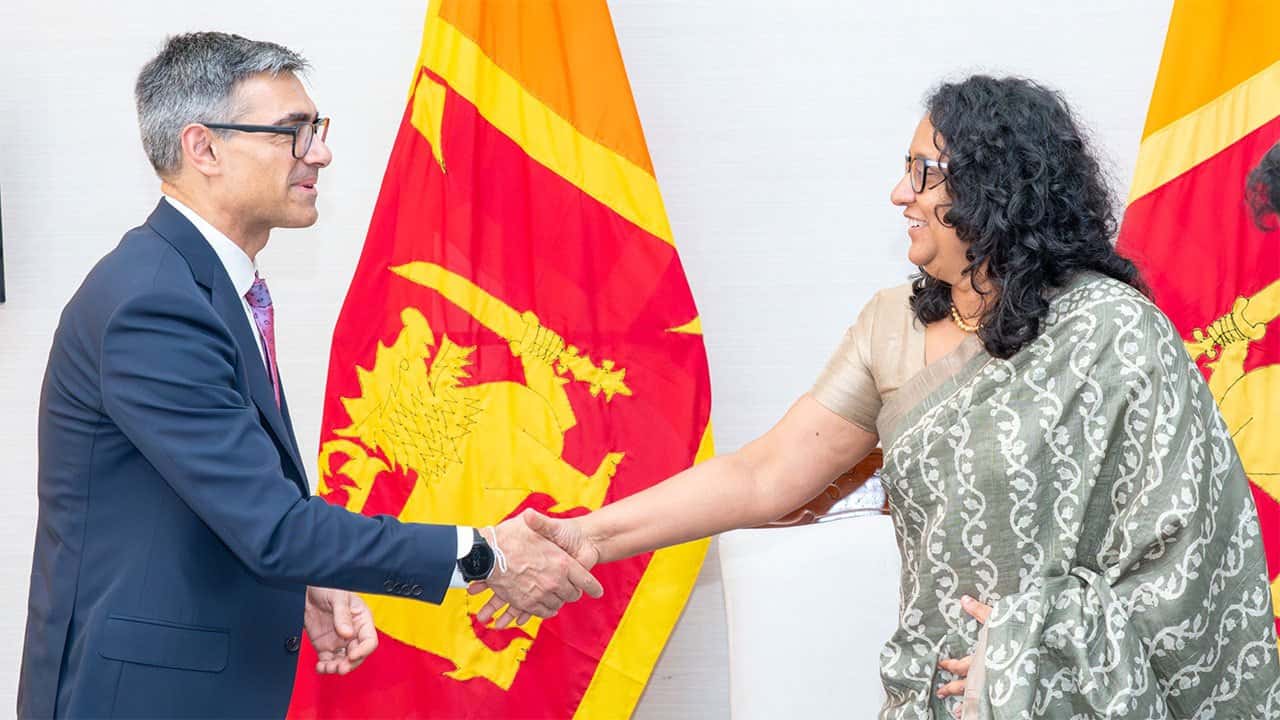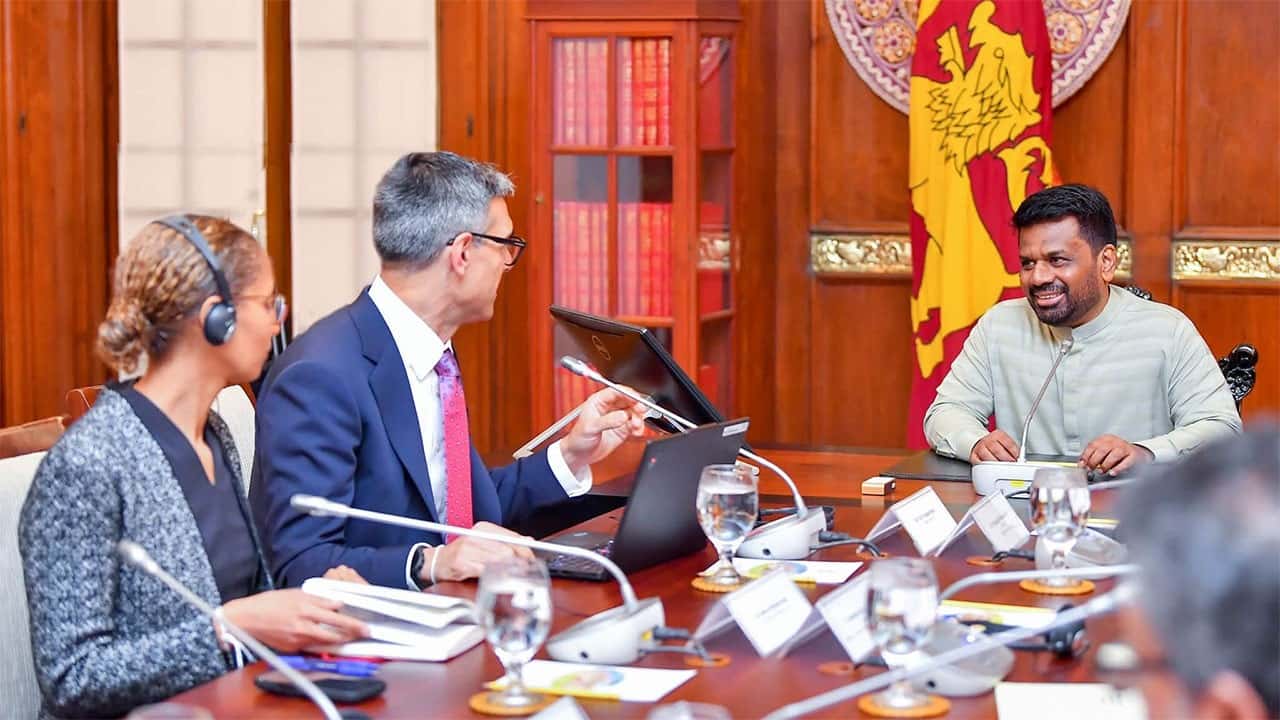










Whether Sri Lanka will seek another programme with the International Monetary Fund (IMF) after the current Extended Fund Facility (EFF) arrangement will be a decision for the government, IMF Mission Chief Evan Papageorgiou said.
Papageorgiou said the current IMF programme still has two reviews to be completed, with the seventh review currently under discussion and the eighth and final review yet to be conducted.
“There are several benchmarks that have been set under the current reviews, and hopefully those can be achieved,” he said.
Responding to a question on whether the government had requested a new IMF programme, Papageorgiou said the decision would depend on what the government wanted to achieve and whether it considered a new programme necessary.
He noted that the IMF has several ways of supporting countries even in the absence of a formal IMF programme, including through mechanisms such as financial sector assessments.
Papageorgiou said only a few outstanding matters remained to be agreed upon before reaching a staff-level agreement on the current review.
The comments came as an IMF team led by Papageorgiou concluded a mission to Sri Lanka, conducted from September 10 to 23, to review recent macroeconomic developments, progress under the EFF programme and policy priorities under the 2026 Article IV Consultation.
At the conclusion of the mission, the IMF said Sri Lanka’s economy had remained resilient despite successive shocks, with economic activity growing by 4.2% in the second quarter of 2026, marking 11 consecutive quarters of strong growth.
However, headline inflation rose to 8% year-on-year in August, driven by the global oil price shock. The IMF said inflation expectations remained broadly anchored, while gross official reserves had increased to US$6.9 billion by the end of August.
The Fund also said the banking sector remained well capitalized and profitable, while fiscal performance during the first half of the year was strong and debt restructuring was largely completed.
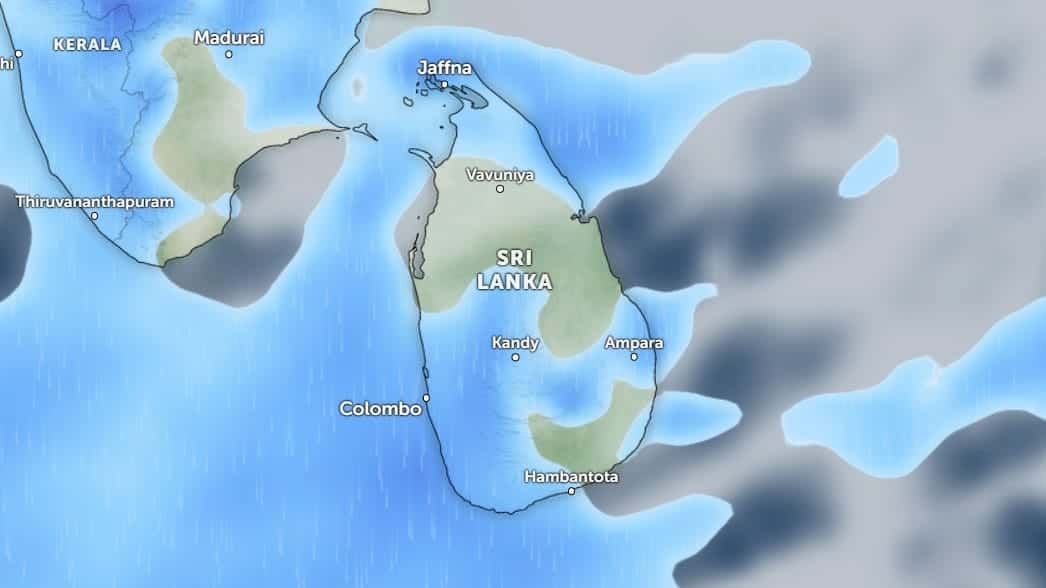
The IMF urged Sri Lanka to maintain prudent economic policies and accelerate structural reforms amid continued risks arising from the Middle East conflict, global trade policy uncertainty and the impact of El Niño.
It also called for a medium-term revenue strategy, broader tax collection, rationalization of tax exemptions and incentives, and stronger revenue administration.
The Fund stressed the importance of maintaining cost-recovery energy pricing to contain fiscal risks from state-owned enterprises and urged the Government to address bottlenecks in capital expenditure, including to accelerate recovery and reconstruction following Cyclone Ditwah.