





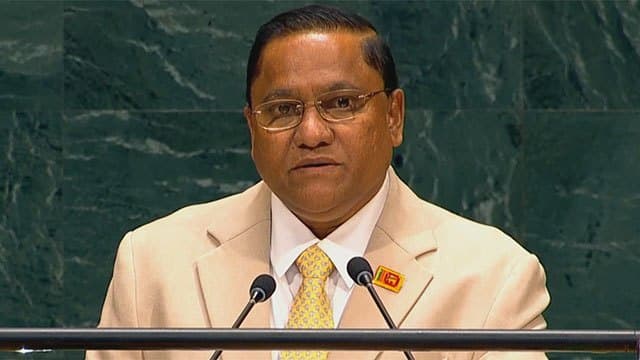


Sri Lanka called for renewed multilateral cooperation, urgent action on climate justice and meaningful reforms to global institutions during Foreign Minister Vijitha Herath’s address at the 81st Session of the United Nations General Assembly in New York.
Minister Herath said growing conflicts, humanitarian crises, climate disasters, widening inequalities and rapid technological developments had contributed to a growing erosion of public trust in international institutions. He stressed that global challenges increasingly required collective solutions and that no country could address them alone.
“Our answer must therefore be a renewed faith in multilateralism and a United Nations that listens more closely, represents more fairly and delivers for all,” Minister Herath said in his concluding remarks.
Climate justice
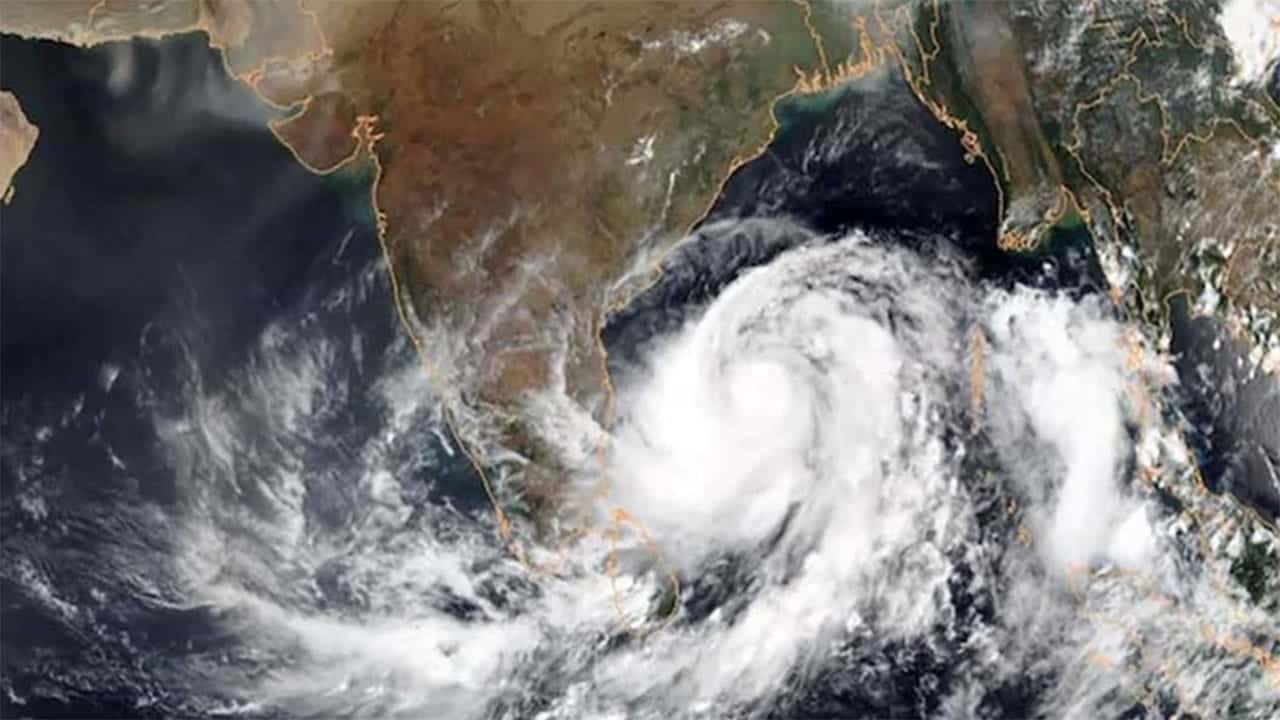
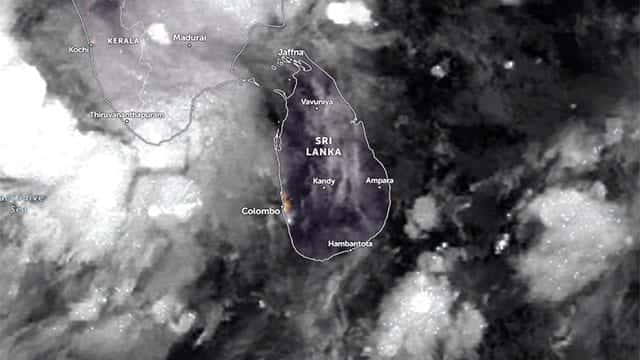
Climate change featured prominently in Sri Lanka's address. Referring to Cyclone Ditwah, which caused hundreds of deaths and affected more than two million people in Sri Lanka, Herath highlighted the disproportionate burden faced by countries that have contributed relatively little to global emissions.
He linked Sri Lanka's experience with the devastating floods in Nepal and China and expressed sympathy for those affected. The Foreign Minister said the scale of recent disasters demonstrated the enormous human and economic costs of climate change.
“Climate justice must become an urgent reality,” Herath said, calling for stronger international action on climate impacts.
Sri Lanka also reaffirmed its commitment to reducing emissions, stating that the country was on track towards achieving 70 percent renewable energy by 2030 and carbon neutrality by 2050.
Reforming global institutions
Herath also called for reforms to the international financial system and greater fairness in debt and development finance. He said developing countries continued to face significant financial constraints in achieving the Sustainable Development Goals and called for existing international commitments to be translated into concrete action.
He also backed the UN80 Initiative, describing it as an opportunity to renew and strengthen the United Nations and advance meaningful reform.
According to Herath, effective multilateralism requires institutions that are more representative, responsive and capable of addressing the concerns of countries that feel insufficiently represented in global decision-making.
A renewed commitment to multilateral cooperation
Sri Lanka reaffirmed its longstanding support for the United Nations, international law and multilateral cooperation. Herath highlighted Sri Lanka's contribution to UN peacekeeping, its support for nuclear disarmament and its engagement in international efforts to protect the world's oceans.
He also addressed conflicts in West Asia, including the situation in Gaza, calling for respect for international humanitarian law and unhindered humanitarian assistance to civilians. Sri Lanka reiterated its support for the Palestinian people's right to self-determination and for an independent and sovereign Palestinian state existing alongside Israel within the pre-1967 borders.
Herath said Sri Lanka's approach to international affairs was based on maintaining neutrality while placing the protection of human life and human dignity at the centre of its actions.
Concluding his address, the Foreign Minister said the transformation taking place globally must be inclusive and should narrow, rather than deepen, divisions between developed and developing countries.
Sri Lanka, he said, was coming to the UN General Assembly with the conviction that some of the world's most pressing problems can only be addressed through collective international action, reaffirming the country's call for stronger multilateralism, greater climate justice and a more representative and effective global system.