







Veterinary surgeons have expressed their opposition to a recent statement by the Government Medical Officers’ Association (GMOA) calling for amendments to several Sections of the recently proposed Elimination of Rabies and Registration of Dogs Draft Bill.
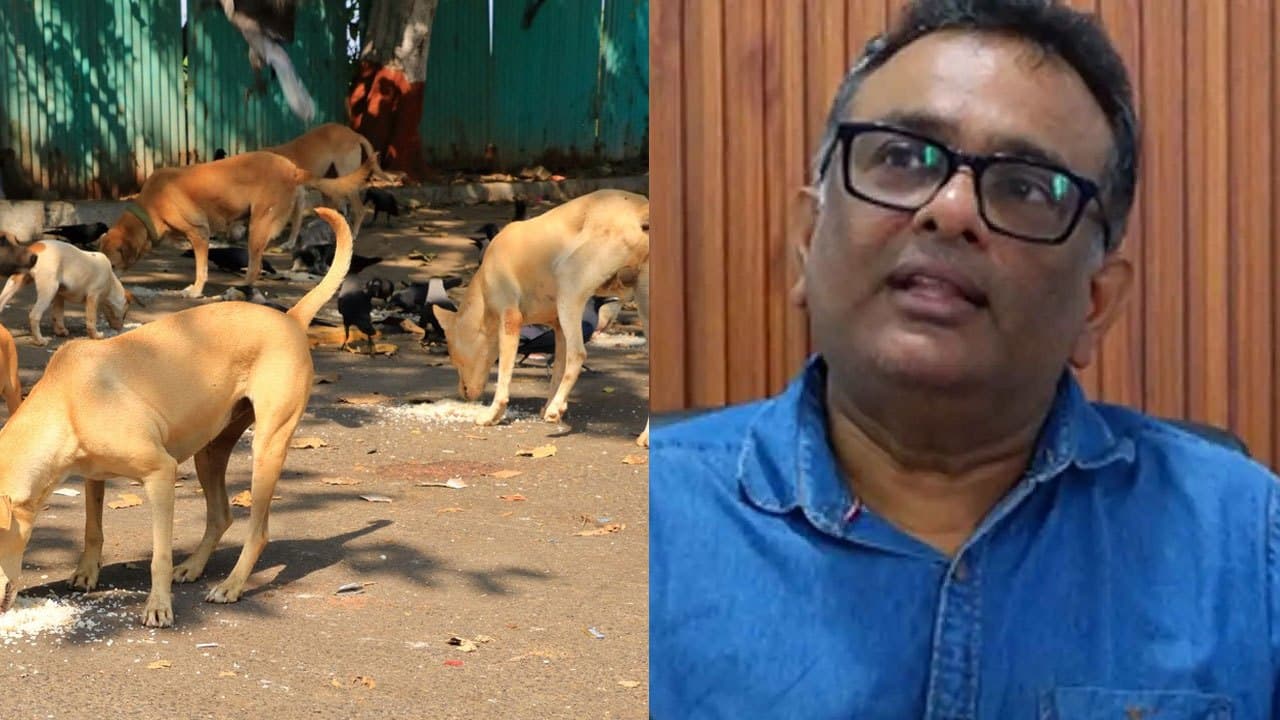
Speaking on the matter, founder of the Association of Veterinarians for Humane Management of Animal Population, Dr. Chamith Nanayakkara, said they were concerned about the statement made by the GMOA.
He said the elimination of rabies involves two aspects, namely eliminating rabies among animals and eliminating human rabies, adding that veterinary surgeons are trained to treat animal diseases, while medical professionals are trained to treat humans.
Dr. Nanayakkara said there would be no issue if medical professionals had received training in treating animals at medical faculties or were registered with the Veterinary Council of Sri Lanka.
However, he said there is a certain distortion in the current situation, as doctors and other personnel attached to the Ministry of Health have also come forward to conduct programmes related to dogs.
“Veterinary surgeons are trained at universities in animal diseases and in treating animals, while medical doctors are trained in treating humans. However, there is a certain distortion in the current situation, as doctors and other personnel attached to the Ministry of Health have also come forward to conduct programmes related to dogs.
He stressed that while medical professionals were entitled to raise concerns about their profession and fight for their professional rights, they should also respect the professional expertise and dignity of other professions.
“When we speak about our profession and fight for our professional rights, we also need to respect the professional dignity of others. If doctors have been taught how to treat animals at medical faculties and are registered with the Veterinary Council in Sri Lanka, then there would be no issue.”
He pointed out that veterinary surgeons did not treat children or administer vaccines to humans during the COVID-19 pandemic, as they understood the scope of their professional responsibilities.
“We, as veterinary surgeons, would never go and treat children. We did not go to administer vaccines during the COVID-19 period either, because we clearly understand what our responsibilities are,” Dr. Nanayakkara said.
“Therefore, as an organisation that speaks about professional rights, we are disappointed that the GMOA has made such a statement. They are saying that the vaccination should be carried out by doctors or under the supervision of doctors, and that MOH doctors should also be given responsibility for supervision. That is a very ridiculous statement,” he added.