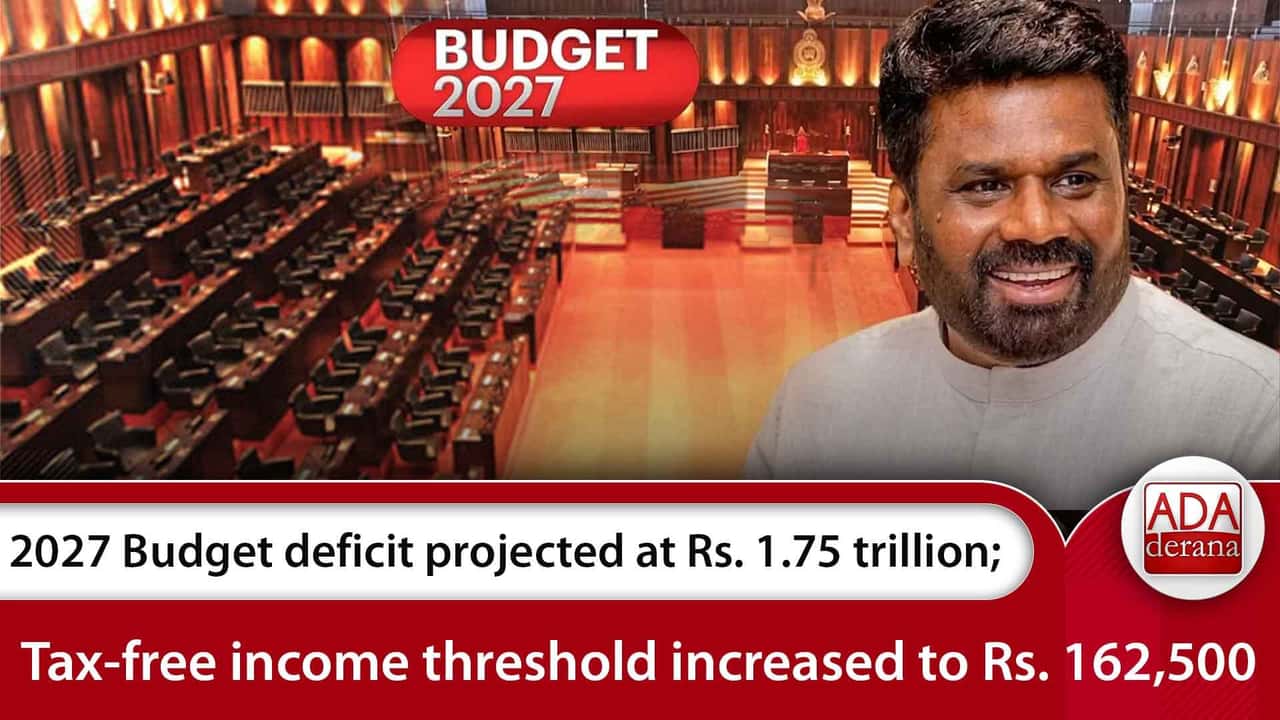









The Ceylon Chamber of Commerce has welcomed the broad direction of Budget 2027, stating that it reinforces Sri Lanka’s commitment to economic transformation while maintaining policy continuity, macroeconomic stability and fiscal discipline.
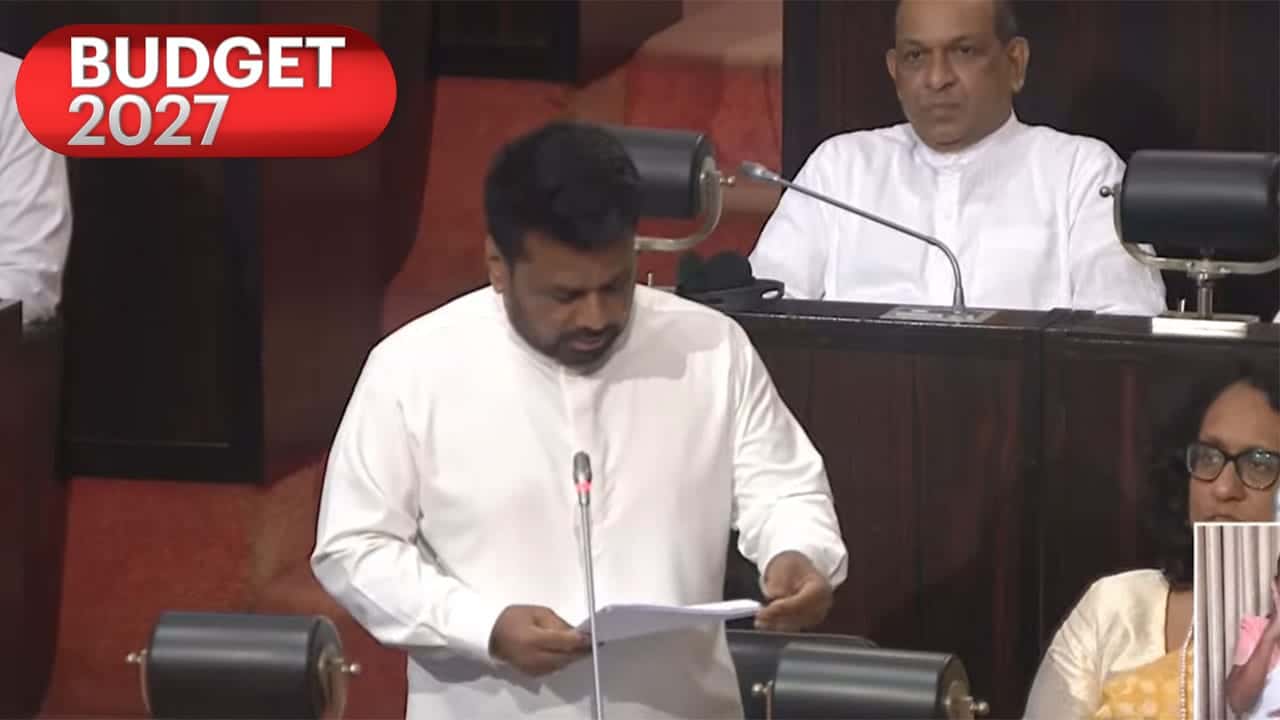
President Anura Kumara Dissanayake presented the Budget in Parliament yesterday (12).
In a statement, the Ceylon Chamber of Commerce said continuity in economic policies was particularly important as the country seeks to move from economic stabilisation towards a sustainable, investment-led growth trajectory.
It noted that the Budget contains several positive measures aimed at improving competitiveness and strengthening external sector resilience, while highlighting the need for greater attention to sectors with significant growth potential.
The Chamber expressed satisfaction over the continuation and strengthening of several structural reforms introduced in the 2026 Budget, saying they provide greater certainty and predictability for businesses and investors.
These include the implementation of the Trade National Single Window (TNSW), the phased removal of para-tariffs, the rollout of the Digital ID framework, efforts to expand market access through Free Trade Agreements (FTAs), improvements to investment facilitation mechanisms and Customs reforms.
The expansion of the Bandaranaike International Airport (BIA), enhanced financing support for small and medium-sized enterprises (SMEs), and reforms relating to State-Owned Enterprises (SOEs) were also identified as important measures carried forward in the latest Budget.
The Chamber further disclosed that more than 20 proposals submitted by it had been reflected in Budget 2027.
Among these are proposals to establish a professionally managed investment promotion agency, improve trade facilitation and export competitiveness, consider a successor programme with the International Monetary Fund (IMF), accelerate key legislative reforms and expand digital government services.
Other proposals incorporated into the Budget include promoting cashless payments and digital adoption, strengthening energy security through Battery Energy Storage Systems (BESS), investing in fuel storage infrastructure and optimising underutilised agricultural land.
The Chamber also welcomed measures supporting the digital economy and IT/BPO sector, alongside tax reforms aimed at assisting exporters, including the recognition of newly VAT-registered exporters as eligible exporters.
It said the inclusion of these proposals reflected the importance of sustained public-private dialogue and greater alignment between national economic policies and the needs of an export-oriented economy.
However, the Chamber pointed out several areas where greater emphasis could have been placed to strengthen Sri Lanka’s growth prospects.
These include attracting more Foreign Direct Investment (FDI), accelerating factor market reforms, particularly in land and labour, and fast-tracking public procurement reforms to improve the efficiency and speed of project implementation.
It also called for more targeted and actionable measures to unlock the growth potential of key sectors, including tourism, agriculture, IT/BPO and logistics.
Concluding its assessment on the proposals, the Ceylon Chamber described Budget 2027 as an important step towards advancing Sri Lanka’s economic transformation, while stressing that effective and timely implementation would be essential to translate policy commitments into investment, stronger competitiveness, increased exports and sustainable economic growth.
The Chamber said it remained ready to work with the Government and other stakeholders to support the implementation of the proposed initiatives and help move the country from economic stabilisation to sustained growth.