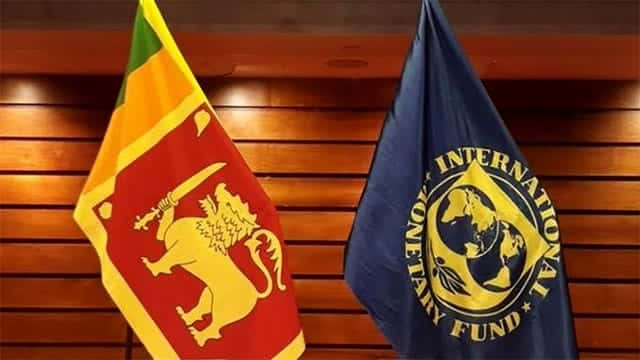






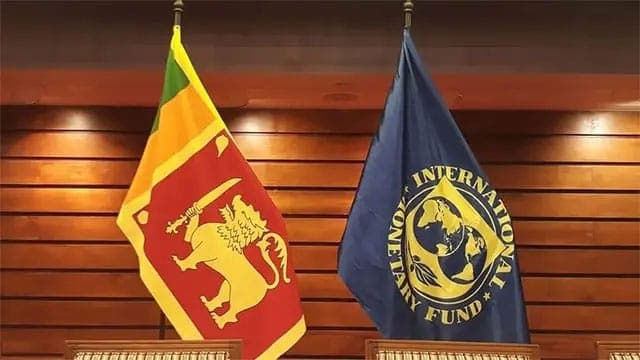


The Executive Board of the International Monetary Fund (IMF) is scheduled to consider Sri Lanka’s Article IV Consultation and Seventh Review under the Extended Fund Facility (EFF) programme on December 2.
The review also includes requests for waivers of non-observance of performance criteria, modifications to performance criteria and a financing assurances review.
The Board's consideration comes as Sri Lanka approaches the conclusion of its current US$2.9 billion IMF-supported programme in March 2027, amid discussions over a possible follow-up arrangement with the international lender.
The IMF reached a staff-level agreement with Sri Lanka on the seventh review earlier this year, potentially unlocking approximately US$345 million in financing, subject to approval by the Executive Board.
Meanwhile, according to analysts, concerns have emerged over the country's ability to sustain its economic recovery and meet future debt repayment obligations once the current programme concludes.
According to analysts, a follow-up IMF programme could help Sri Lanka withstand volatility in global energy prices, strengthen economic growth and prepare for the resumption of foreign debt repayments.
Last week, analysts highlighted the importance of continued engagement with the IMF as the country prepares for significant external debt obligations in the coming years.
President Anura Kumara Dissanayake's third budget, presented in Parliament on November 12, outlined the government's plans to strengthen the economy following the financial crisis of 2022. Sri Lanka's foreign reserves have since recovered to approximately US$7 billion, compared with the severe reserve shortages experienced during the crisis.
The current IMF programme is scheduled to conclude in March 2027, ahead of the resumption of foreign debt repayments to international bondholders and bilateral creditors, including Japan, China and India, in 2028.
Sri Lanka's foreign debt repayments are estimated at nearly US$3 billion in 2027 and US$3.6 billion in 2028.
Fitch Ratings Senior Director Jeremy Zook said a follow-up IMF programme could provide a supportive policy framework and a financing backstop amid volatile global conditions.
He also stressed that maintaining credible fiscal policies and healthy primary budget surpluses would be important for ensuring debt sustainability and supporting future credit rating improvements.
A committee has reportedly been appointed to examine whether Sri Lanka should enter into another IMF programme after March 2027.
Citi economist Baqar M. Zaidi said the possibility of further engagement with the IMF remained the most likely scenario, although a future arrangement could provide greater policy flexibility and more calibrated targets.
Options under consideration could include a funded Stand-By Arrangement or a Policy Coordination Instrument, he noted.
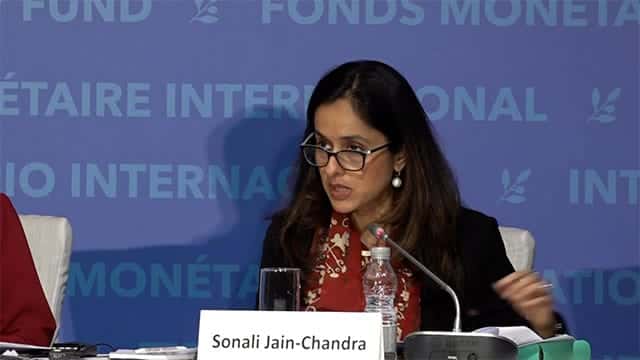
Meanwhile, last month, IMF Deputy Director of the Asia and Pacific Department Sonali Jain-Chandra said the Fund stood ready to support Sri Lanka in any appropriate way the authorities wished.
Speaking at a press conference during the IMF meetings in Bangkok, she said Sri Lanka's macroeconomic situation had improved considerably, with strong fiscal performance and debt restructuring largely completed.
She also highlighted progress on structural reforms, including improvements in governance.
Jain-Chandra confirmed that the IMF would continue engaging with Sri Lankan authorities beyond the current review, including through a possible new financial arrangement, policy advice, surveillance and capacity development.
She further indicated that another IMF review mission would take place before the existing programme expires in March 2027.
Sri Lanka has projected economic growth of 4% in 2027 and an average of 4.2% over the next three to five years. However, analysts have pointed out that growth of 6% or higher would be necessary to make a more substantial impact on the country's debt burden.