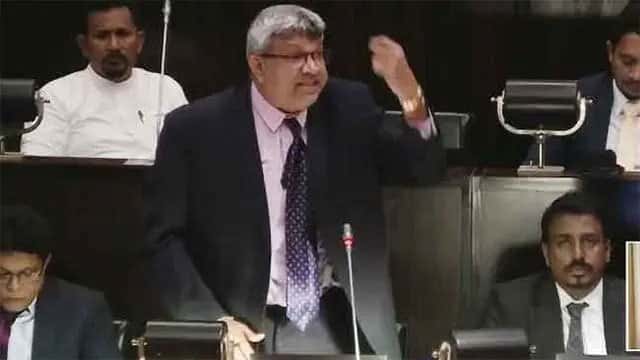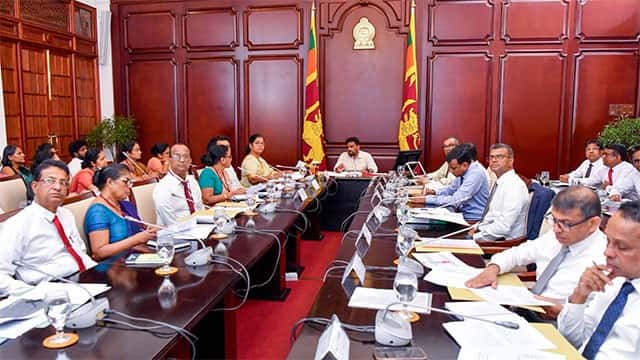








Sri Lanka’s new High Commissioner to India, Prof. Sudharshan Seneviratne, says that there is a need to redefine diplomacy to include shared histories, culture and heritage of countries, in addition to economic and political ties.
Rather than trying to resolve issues by using a “drab, dry language of diplomacy,” it is important to look at them holistically, he emphasises.
“Ultimately, when we speak of two countries, we are not talking about faceless people, but about real human beings. When we are representing countries, we are representing people.”
In an interview to The Hindu, days ahead of his big move, Mr. Seneviratne says issues such as the implementation of the 13th Amendment — India has been pushing Sri Lanka to devolve more powers to its provinces as per this Amendment — the fishermen’s conflict or [the claim to] Katchatheevu could be resolved by coming together and working without “being parochial about it”.
At the recent bilateral meeting in New Delhi where Foreign Ministers of both countries met, the countries resolved to address the fishermen’s issue in the most humane way, he says.
The Sri Lankan archaeologist was a student in Delhi in the 1970s and is returning now as the highest representative of his country. He spent a decade in India, studying in New Delhi and later researching early Buddhism in Andhra Pradesh and Tamil Nadu.
Though not a career diplomat, as someone “nurtured by both cultures” he expresses evident optimism about his new role that sees him transitioning from an academic to a diplomat.
The High Commissioner says he hopes to draw upon his experience as a “heritage manager” and forge a strong people-to-people connection between the countries.