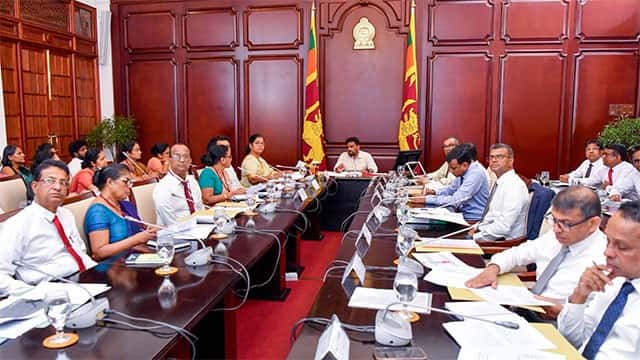









The UN Working Group on Enforced and Involuntary Disappearances (WGEID) is preparing for its first visit to Sri Lanka in 15 years, a statement issued by the Amnesty International (AI) says.
“The UN Working Group on Enforced and Involuntary Disappearances (WGEID) is preparing for its first visit to Sri Lanka in 15 years. This important visit will raise the hopes of thousands of families of the disappeared that with the UN’s help they may finally discover the fates and whereabouts of their missing relatives and have the opportunity to pursue justice and reparation.
All communities have experienced enforced disappearances but victims may not share a common understanding of the problem or seek the same solutions. With huge numbers of Sri Lankans in search of truth, there are corresponding variations in their opinions about accountability.
WGEID should seek out and listen carefully to the views of family members of the disappeared. It should acknowledge the significant challenges to accountability that persist in Sri Lanka and clearly articulate its own limitations as well. The Government of Sri Lanka should facilitate these exchanges and direct all officials to cooperate fully with the delegates….
Promises of Progress
Since the election of President Maithripala Sirisena in January, Sri Lanka has shown a new willingness to acknowledge past abuses and commit to reforms.
At the 30th Session of the UN Human Rights Council in September Sri Lanka promised to ratify the International Convention for the Protection of All Persons from Enforced Disappearance and enact a domestic law making enforced disappearance a crime.
It made a number of other important commitments to enact legal and security sector reforms that Amnesty International had long recommended. These included promises to repeal the draconian Prevention of Terrorism Act and replace it with legislation that meets international standards; to review the cases of detainees held for long periods without charge or trial and ensure the release of those without evidence against them; ensure effective witness protection; consult with victims and families in the design of truth and justice mechanisms; release reports of past inquiries into alleged human rights violations; and extend invitations to UN Special Procedures. Amnesty International believes these to be vital steps to protect human rights and account for the past.
The failure of successive governments to end the practice of enforced disappearances, clarify the whereabouts or fates of victims and prosecute persons suspected of committing this crime under international law has done incalculable harm to Sri Lankan society and eroded public faith in the rule of law. Continued failure to account for violations against Sri Lanka’s Tamil minority in particular fuels grievance and alienation in that community that could impede efforts at communal reconciliation.
The WGEID visit to Sri Lanka offers an important opportunity for the UN and the Government of Sri Lanka to work collaboratively to end enforced disappearances, account for the past and take effective measures to ensure that the crime can never again committed with impunity in Sri Lanka. We believe the following steps will help that process,” the Statement added.