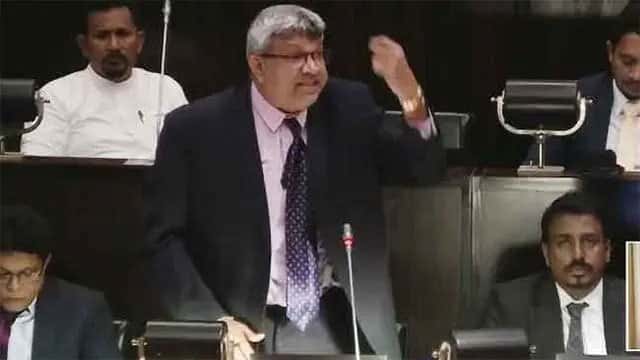








The United Stated says that it will encourage reconciliation and justice in Sri Lanka compliant with the resolution adopted at the UN Human Rights Council in Geneva, which was also co-sponsored by the government.
“In Sri Lanka, we’ll be encouraging reconciliation and justice in keeping with the joint resolution its government co-sponsored with us at the UN Human Rights Council,” said Tom Malinowski, US Assistant Secretary to the Bureau of Democracy, Human Rights, and Labor.
He was addressing the Media Briefing on the 2015 Country Reports on Human Rights Practices released by the US State Department in Washington on Wednesday (13).
“People everywhere want to be free and in control of their lives. If they are denied basic rights and dignity, they will ultimately stand up for what they want, as we have seen from Syria to Sri Lanka, from Burma to Nigeria,” said John Kerry, US Secretary of State.
“The choice some governments offer between freedom and stability is thus a false one, for freedom is the foundation for lasting stability.”
The report’s executive summery on Sri Lanka states thus: “The major human rights problems reported during the year included harassment of civil society activists, journalists, and persons viewed as sympathizers of the banned terrorist group the LTTE as well as arbitrary arrest and detention, torture, rape, and other forms of sexual and gender-based violence committed by police and security forces.”
“Other serious human rights problems included severe prison overcrowding and lack of due process. Neglect of the rights of internally displaced persons (IDPs) remained a problem, as was physical and sexual abuse of women and children and trafficking in persons. Discrimination against persons based on sexual orientation continued. Limits on workers’ rights and child labor also remained problems.”
“Widespread impunity continued for the crimes committed during the armed conflict and other crimes committed following the end of the conflict, particularly for cases of torture, sexual violence, corruption, and human rights abuses. The government arrested and detained a number of military, police, and other officials implicated in old and new cases that included the killing of parliamentarians and the abduction and suspected killings of journalists and private citizens.”