












US President Donald Trump on Thursday said he would be “honored” to meet Iran’s new Supreme Leader Ayatollah Mojtaba Khamenei if a deal is reached between the two countries.
“I don’t want to meet, but if I did meet, I’d be honored to meet him,” Trump said when asked about a possible sit-down with the Iranian leader, whose father and predecessor, Ali Khamenei, was killed at the beginning of the US-Israeli war on Iran.
“I’d like to see if we make a deal, but if we make a deal, it’s possible that I would meet him,” Trump said.
Asked if the meeting would take place in the US, Trump said: “I haven’t really heard too much about it. I didn’t suggest it, but some people have suggested it.”
Questioned if he would resume military action if Iran were to kill US troops in the region, Trump replied: “It would be a good reason. I’d be honest with you, if they killed US troops, I think I would do that very quickly.”
Trump said the terms of any potential deal would require Tehran to abandon its nuclear ambitions. “As far as Iran’s concerned, you’re going to find out what the deal is, but the main parts of the deal is they can’t have a nuclear weapon,” he said.
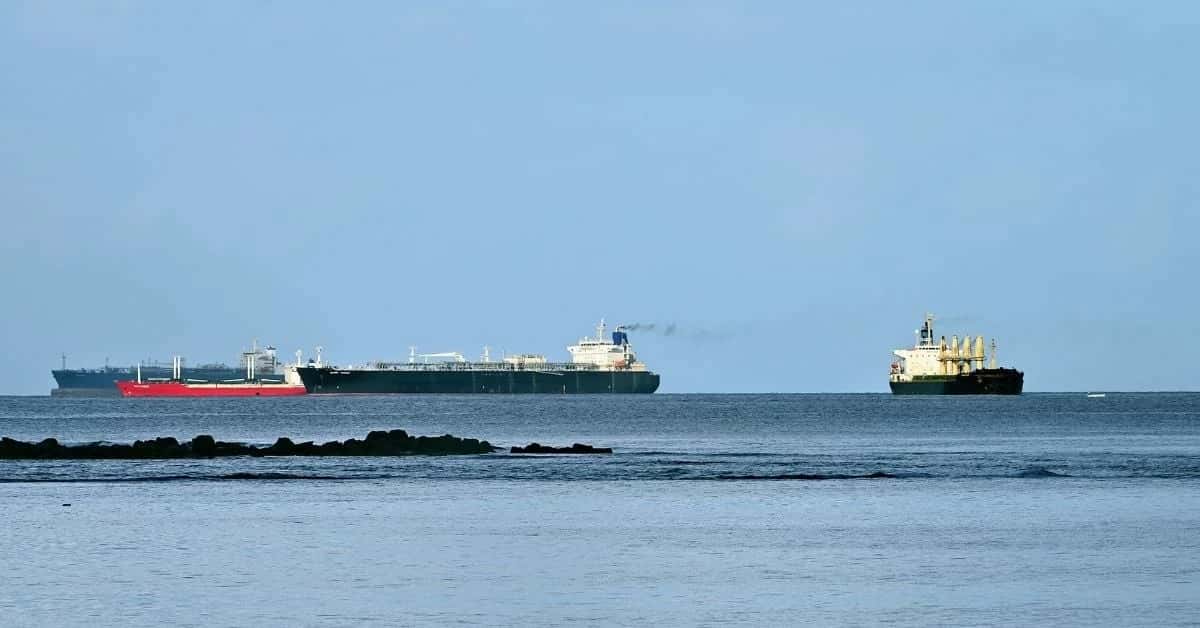
On the efforts to reopen the Strait of Hormuz, Trump said: “The strait will open immediately, you know, it’s going to open immediately, and we’ve largely swept for mines,” he said, adding that the US possessed advanced underwater minesweeping capabilities.
About whether he was factoring in public reaction ahead of the midterm elections regarding his handling of Iran, Trump said: “No. I just do what’s right.”
“Venezuela was very unpopular, then we won and my number went through the roof,” he added.
Trump’s comments come as Washington and Tehran continue efforts to turn a fragile ceasefire into a broader agreement following months of conflict that began Feb. 28 with US-Israeli strikes on Iran.
Iranian authorities said more than 3,000 people have been killed since the start of the war, while at least 13 US service members have been killed in Iranian retaliatory attacks, according to official figures.
Tehran retaliated with attacks targeting Israel and US allies in the Gulf, alongside the closure of the Strait of Hormuz.
A ceasefire took effect on April 8 through Pakistani mediation, but subsequent talks in Islamabad failed to produce a lasting agreement. Efforts for a solution, however, have continued since.
Source: Anadolu Agency
--Agencies