









The Cabinet of Ministers has granted approval to initiate the drafting of a new National Action Plan for Human-Elephant Conflict Management in Sri Lanka.
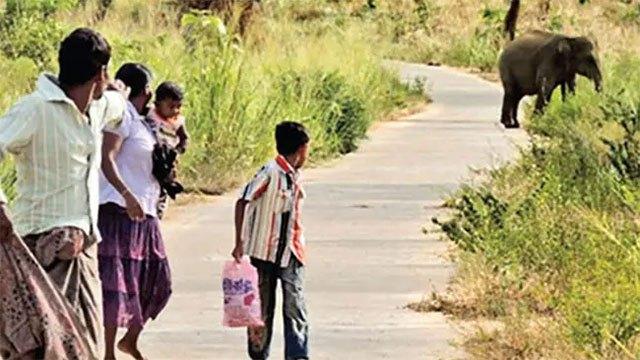
In recent years, factors such as population growth, the expansion of development activities, and deforestation have led to the loss of traditional migratory routes and the destruction of natural habitats of wild elephants across the country. As a result, Sri Lanka has witnessed a rapid escalation of the human-elephant conflict over an extended period.
The conflict currently affects 19 of the country's 25 districts and 134 of the 341 Divisional Secretariat Divisions. According to the national wild elephant census conducted in 2024, Sri Lanka's wild elephant population is estimated at approximately 7,450.
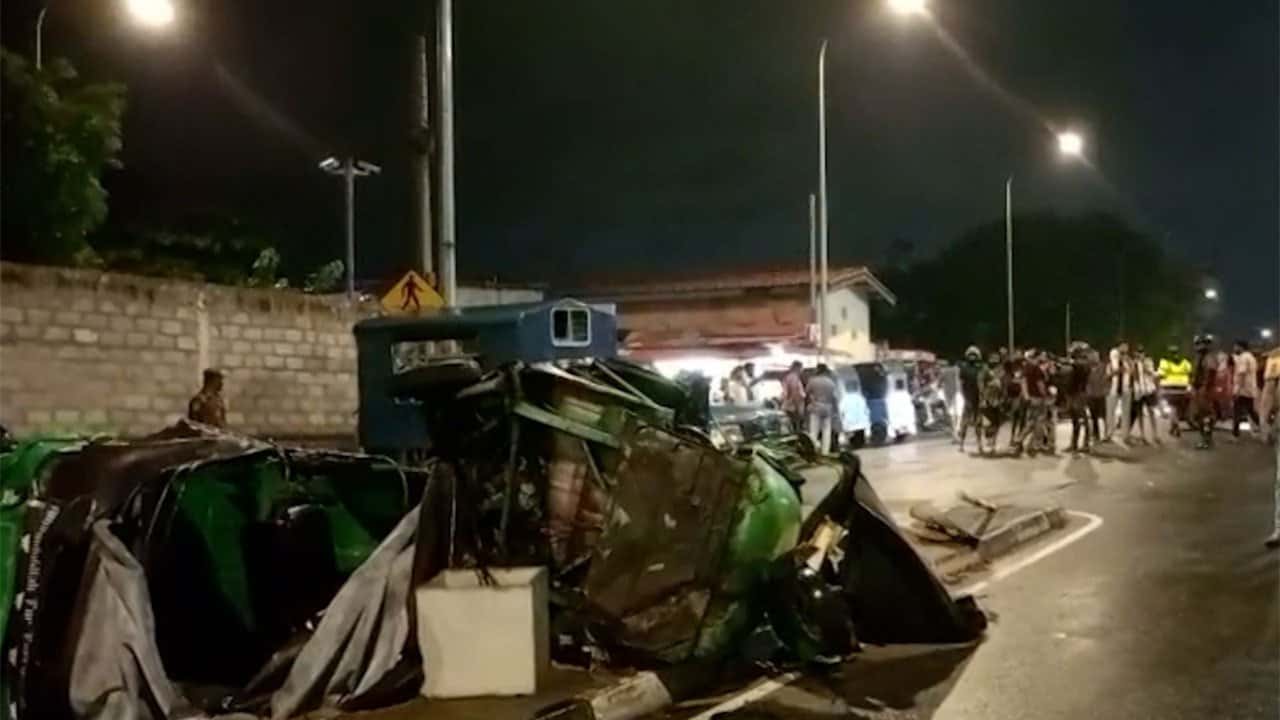
It is reported that the human-elephant conflict accounts for a significant number of human fatalities and wild elephant deaths annually.
Furthermore, over a thousand incidents of property damage caused by wild elephants are recorded each year. Although a 'National Action Plan to Mitigate Human-Elephant Conflict in Sri Lanka' was formulated in 2020, the dynamics of the current human-elephant conflict have evolved substantially since then, necessitating the formulation of a new national action plan.
Accordingly, the Cabinet of Ministers approved a proposal submitted by the Minister of Environment to take the necessary steps to formulate a new National Action Plan for Human-Elephant Conflict Management.