









At least 14 people were killed when a helicopter belonging to oil giant Saudi Aramco crashed in Ras Tanura on Sunday, the Saudi Press Agency reported.
The cause of the crash is unknown, and an investigation is under way, the news agency added.
Saudi Aramco resumed oil loading operations on Friday at its Ras Tanura terminal in the Gulf after an almost four-month halt, shipping data from LSEG showed.
Saudi Arabia, the world's biggest oil exporter, has joined a rush to move cargo after Middle East producers ramped up oil and gas output and exports ahead of an interim deal to halt the war between the US and Iran.
Saudi Arabia's Ministry of Energy extended its “deepest condolences and sincere sympathies to the families of the victims”.
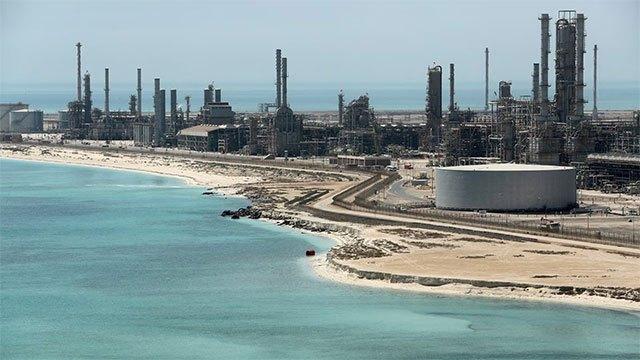
Ras Tanura, on Saudi Arabia's Gulf coast, hosts one of the world’s largest oil export terminals and a major refining facility. The port handles a significant share of Saudi crude exports, with cargoes typically heading to markets in Europe and Asia, including China, Japan and South Korea.
Operations at the refinery were briefly halted after a fire broke out following a drone attack in early March.
Aramco last loaded cargo from Ras Tanura as part of a shipment to be sent to China on March 8, the LSEG data showed. The kingdom had to divert all exports to the Red Sea port of Yanbu after Iran blocked the Strait of Hormuz during its war with the US and Israel, preventing ships from leaving or entering the Gulf.
Middle Eastern producers are rapidly increasing output and exports after the US and Iran agreed to an interim deal to halt the war.
While talks between Iran and the US continue, “the situation nonetheless remains highly unpredictable, with major strains in large parts of the market and uncertainty over how the peace talks will play out”, the International Energy Agency has said.
– Agencies