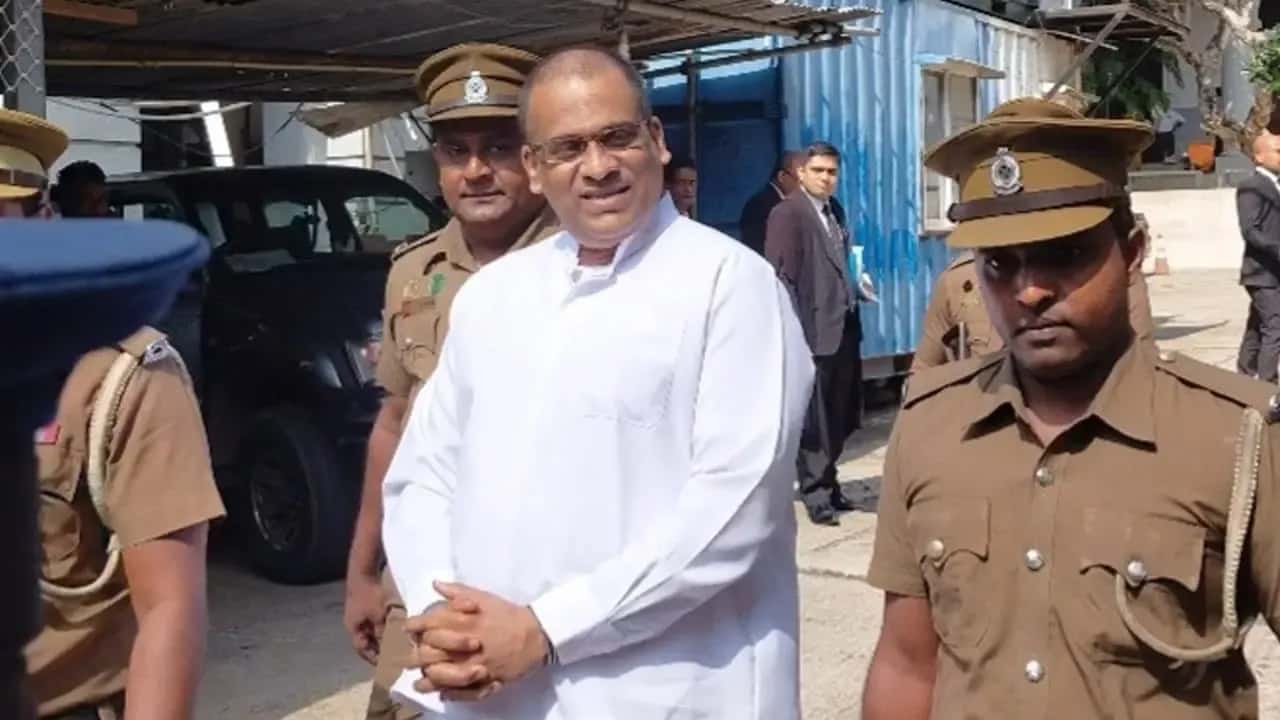









Non-communicable diseases (NCDs) account for 80% of all deaths in Sri Lanka, with High blood pressure and Diabetes being among the leading causes, Secretary to the Ministry of Health and Mass Media, Dr. Anil Jasinghe, said.
He pointed out that the two conditions are interrelated and can lead to a range of serious health complications, with heart attacks being among the most severe consequences.
Dr. Jasinghe made these remarks while attending the commencement of construction of a modern Cardiac Care Complex at the Anuradhapura Teaching Hospital yesterday (16).
Speaking further, the Health and Mass Media Ministry Secretary said:
“80% of all deaths occurring in our country are caused by non-communicable diseases. Among these, High blood pressure and Diabetes are at the forefront. We refer to these as NCDs.
“The main issue is that these two diseases are interconnected and cause a range of complications in a person’s health. Looking at the current situation in Sri Lanka, only around 50% of those suffering from High blood pressure are under effective control. Similarly, only around 25% of diabetic patients are under proper control. As a result, this has now become a major problem in society.
“The most serious complication associated with both these diseases is Myocardial Infarction (MI), or a heart attack. This has also become the leading complication. So, how do we control this modern epidemic? This is the biggest challenge before us.
“While establishing modern facilities across the country, our health system must also recognize the changes that have taken place in the demographic structure of our population and disease patterns. Accordingly, our health system must be adapted to suit these changing circumstances.
“Under the policies of the government led by the President and the guidance of the Minister of Health, the Ministry of Health and Mass Media is currently implementing a major programme in this regard. Its three main components are Arogya, Cluster Systems and High-End Care Institutions, which need to be developed to suit the requirements of our health system.”