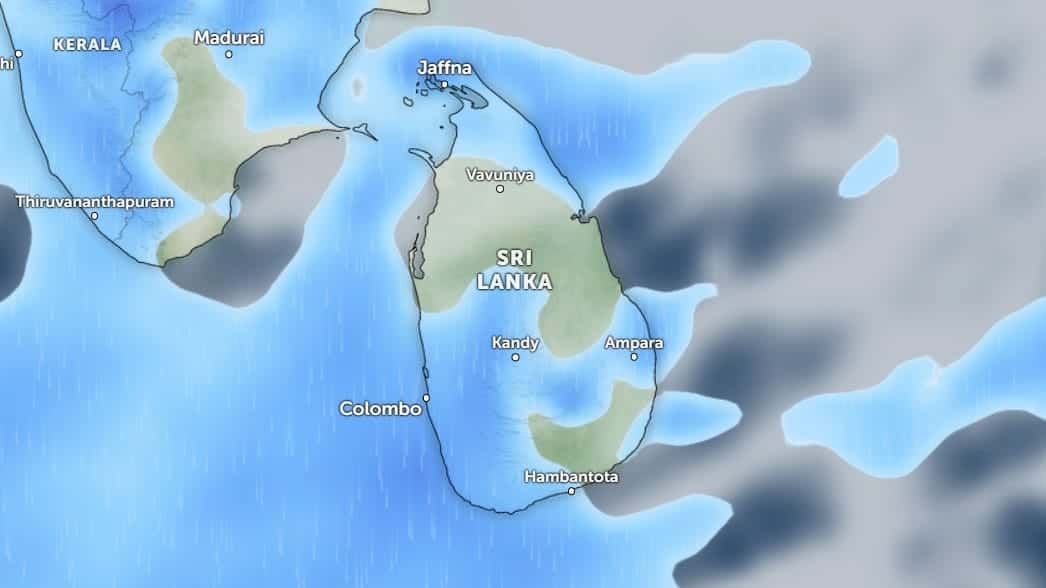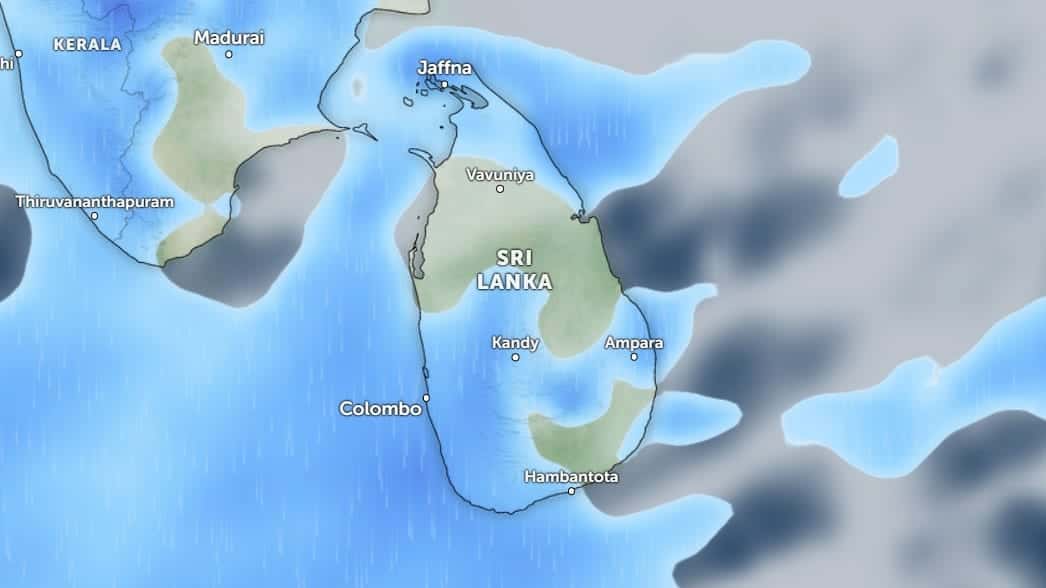









The Irrigation Department states that significant rainfall has been recorded in most parts of the country, including the Western, North Western and Sabaragamuwa provinces and the Galle, Matara, Kandy, Nuwara Eliya and Matale districts.
Although a slight decrease in rainfall has been observed compared to recent days, heavy rainfall continues to persist.
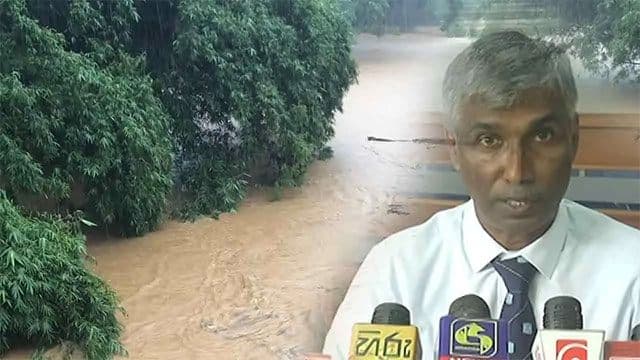
Director of Irrigation Engineer L.S. Sooriyabandara stated that, as of this morning, the upper catchment areas of the Kelani River had received between 100 mm and 125 mm of rainfall, while most other river basins had recorded between 50 mm and 80 mm over the past 24 hours.
He further noted that heavy rainfall exceeding 200 mm recorded two days ago had caused water levels in the upper catchment areas of the Gin and Nilwala rivers to rise, posing a minor flood risk to areas including Baddegama, Udugama, Akuressa and Thalgahagoda.
Meanwhile, the water level of the Kuda River, a tributary of the Kalu River, has risen in the Millakanda area and is approaching minor flood levels. Water levels in the Kelani River at Hanwella and Avissawella also remain high.
Engineer Sooriyabandara further stated that although water levels in the Mahaweli River at Nawalapitiya and Peradeniya, as well as in the Attanagalu Oya, are currently receding, they remain close to warning levels.
He noted that the total storage capacity of reservoirs managed by the Department of Irrigation currently stands at between 34% and 35%.
Sooriyabandara added that most of these reservoirs are located in the dry zone, which has not experienced heavy rainfall.
However, due to rainfall in the upper basin of the Mahaweli River, water levels in reservoirs including Kotmale and Polgolla have increased significantly.
The Department of Irrigation has strongly warned that engaging in water sports or entering inundated areas for any other activity is extremely dangerous.