






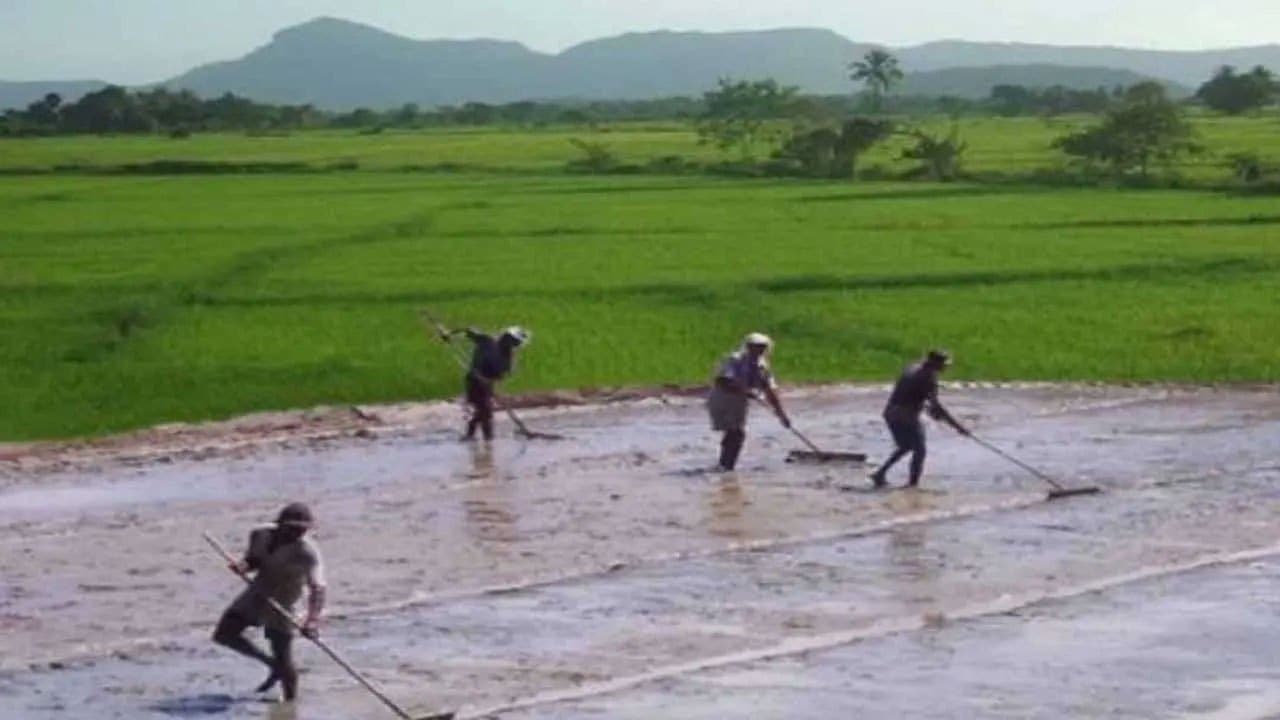


The government is targeting 800,000 hectares of paddy cultivation during the upcoming 2026/27 Maha season, with authorities proposing a staggered cultivation schedule across major agricultural zones to ensure the efficient management of available water resources.
Under the proposed schedule, cultivation in the Walawe Zone is to begin on October 1, followed by the Ella Zone on October 15. Cultivation in the Kaudulla Zone is proposed to commence on November 1, while the Elahera Zone is scheduled to begin on November 10.
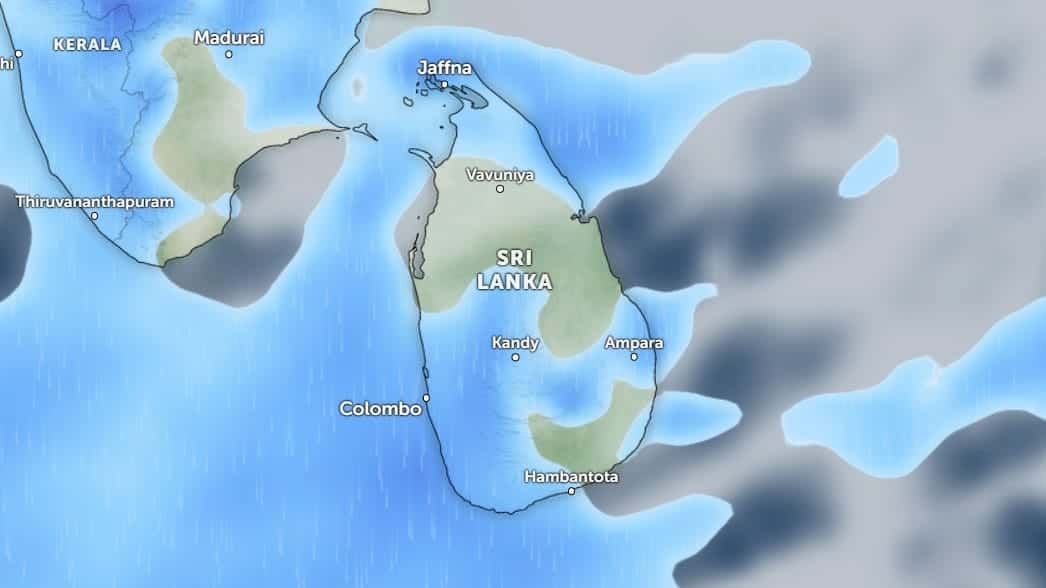
The proposed dates are aimed at ensuring that water resources are managed efficiently, particularly in view of expectations of relatively low rainfall between December and April.
Accordingly, the Water Management Secretariat has recommended commencing paddy cultivation in early October to make the best possible use of available water resources.
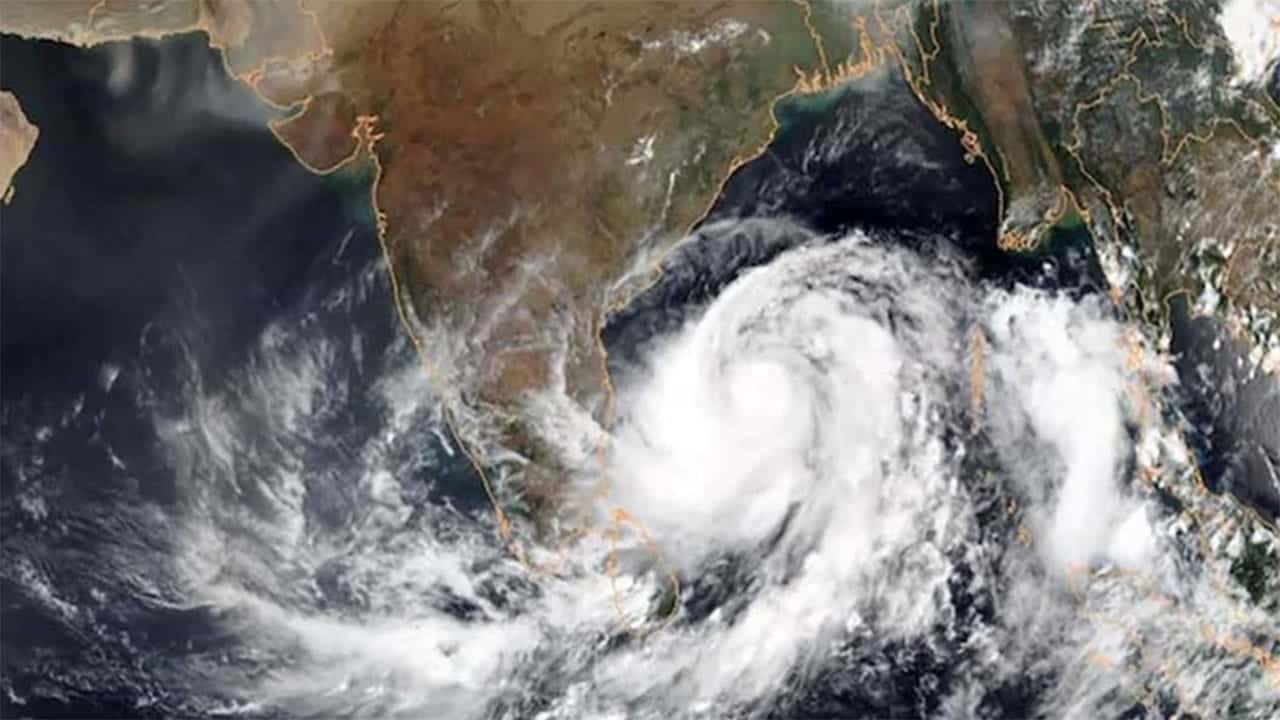
The Department of Meteorology has also warned that weather changes associated with El Niño conditions could affect agriculture, emphasizing the importance of farmers planning their cultivation activities in advance.
Authorities have assured farmers that sufficient supplies of fertilizer and paddy seed are available for the upcoming Maha season. Meanwhile, the National Fertilizer Secretariat has confirmed that adequate fertilizer stocks are available, while the Department of Agriculture has confirmed sufficient supplies of paddy seed to meet national requirements.
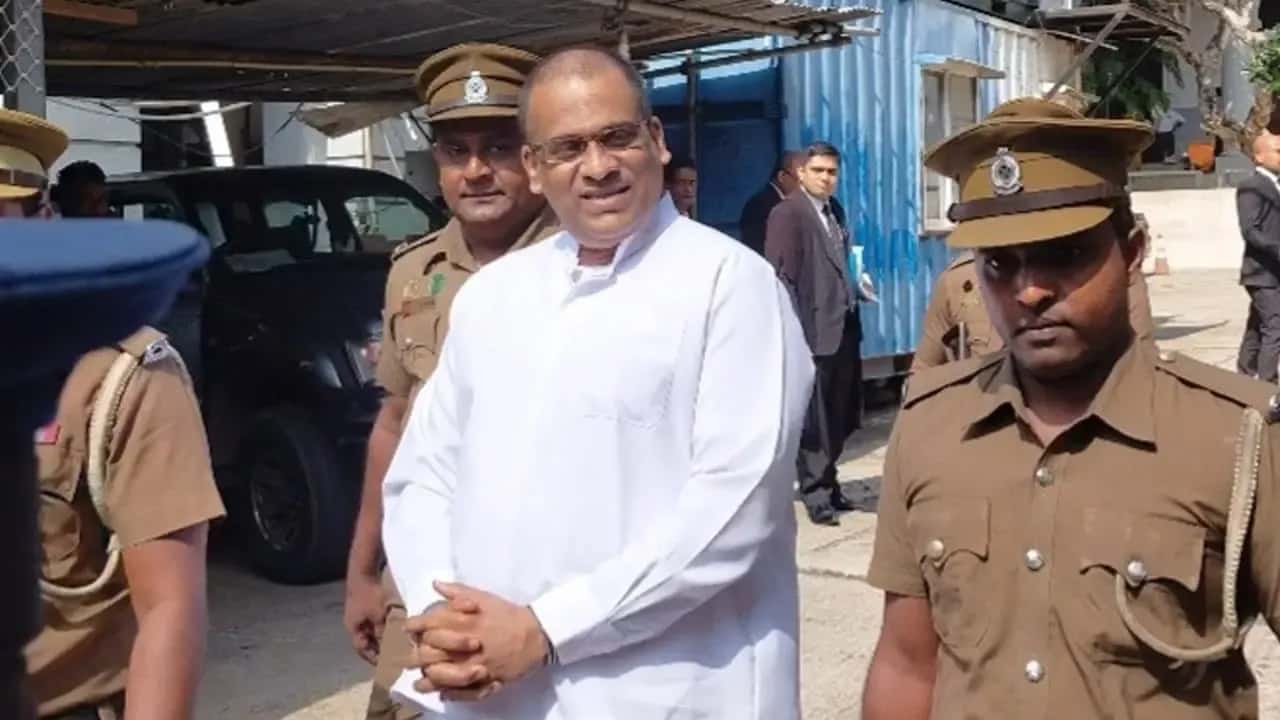
Minister of Agriculture, Livestock, Lands and Irrigation K.D. Lal Kantha stressed the importance of starting cultivation at the correct time in accordance with technical recommendations issued by the Department of Agriculture.
He also emphasized the need to encourage farmers to adopt the Department of Agriculture's recommended technical packages and to conduct awareness programs on their proper use.
The preliminary discussion on planning the 2026/27 Maha season was held yesterday (8) at the Govijana Mandiraya under the chairmanship of Minister K.D. Lal Kantha. Officials from the Department of Meteorology, Water Management Secretariat, Irrigation Department, Mahaweli Authority of Sri Lanka, Department of Agriculture, Department of Agrarian Development and National Fertilizer Secretariat participated.