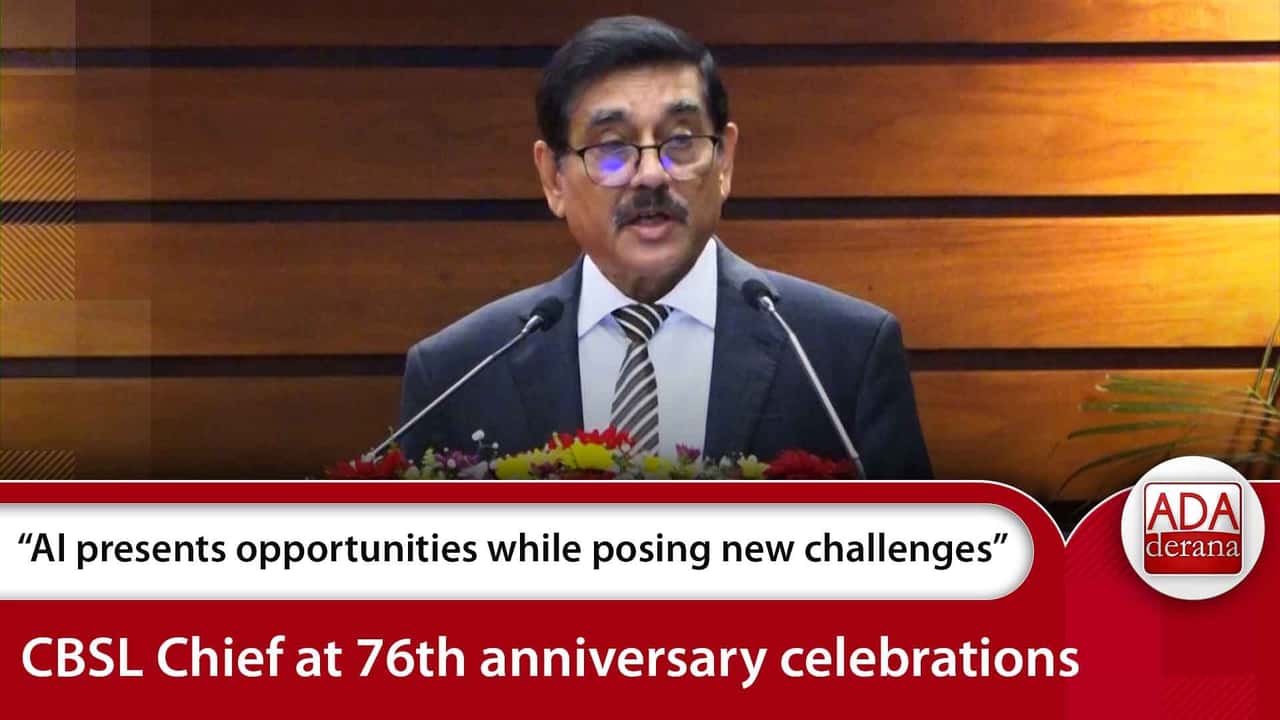







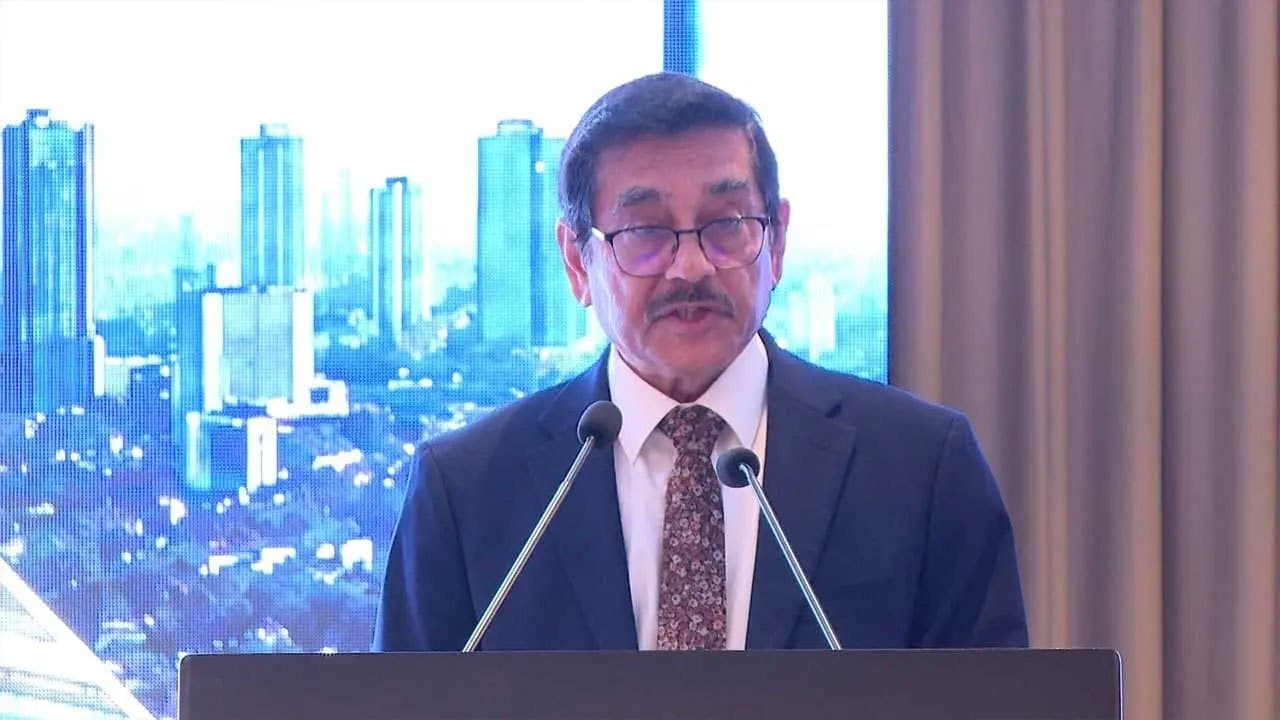


Governor of the Central Bank of Sri Lanka (CBSL), Dr. Nandalal Weerasinghe, states that maintaining an adequate level of foreign exchange reserves is not a luxury, but an essential component of macroeconomic stability.
Addressing the inaugural Reserve Management Conference 2026 of the CBSL, held in Colombo yesterday (10), the Governor said the economic crisis faced by Sri Lanka in 2022 had clearly and practically demonstrated the consequences of inadequate external buffers.
He said that when foreign reserves fall to critically low levels, the consequences extend beyond the Central Bank’s balance sheets or the responsibilities of reserve managers.
“Imports become constrained, debt servicing becomes difficult, exchange rate pressures intensify, and inflationary pressures can increase, while confidence in the economy and the country can also deteriorate,” Nandalal Weerasinghe said.
The Governor noted that Sri Lanka experienced these consequences during the 2022 economic crisis, adding that the policy space available to respond to further shocks becomes severely constrained.
“Therefore, the lesson to be learned from this is clear. Maintaining sufficient foreign reserves is not a luxury, it is an essential component of macroeconomic stability,” Weerasinghe added.
However, he noted that building up reserves is a complex process in practice, as favourable periods do not last indefinitely and difficult periods can also emerge.
“These developments illustrate an important reality: building reserves is not a linear process. We can accumulate reserves during favourable periods, but external shocks can draw them down very quickly.”