








Researchers at the Southern Illinois University Carbondale are developing a method to convert discarded plastic into protein-based food ingredients, with Sri Lankan-born scientist Lahiru Jayakody among those leading the research.
Jayakody, a microbiologist and associate professor at the university, and his team have developed a process that uses genetically engineered microbes to break down plastic and convert its components into proteins and fats.
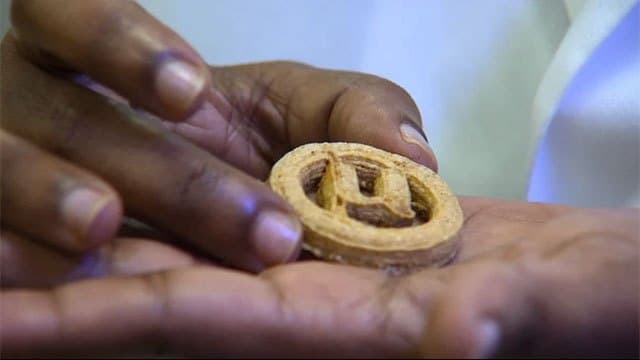
The technology has been used to develop µBites, a cookie-like product made using ingredients derived from plastic waste.
The process involves microbes breaking down chemicals derived from polyethylene terephthalate (PET), a material widely used in plastic bottles. The resulting proteins and fats are combined with starch, fibre and sweetener before the mixture is shaped into cookies using a 3D printer and baked.
Jayakody said the researchers are not attempting to make people eat plastic.
He explained that the plastic is broken down into its component materials and converted into food ingredients, rather than remaining as plastic or microplastics.
The project began in 2021 with researchers initially exploring ways to convert discarded plastic into materials such as nylon for textiles.
The research later shifted toward food production after the team participated in NASA's Deep Space Food Challenge, which sought innovative methods of producing food for astronauts during long-duration space missions.
The µBites project was among the winners of the challenge.
Jayakody said the concept could potentially have applications beyond space exploration, including addressing plastic pollution and food production challenges on Earth.
However, the product has not yet been approved for human consumption. Researchers are awaiting the necessary institutional and government approvals before human taste testing can begin.
Safety assessments are being conducted to ensure the resulting food material is free of pathogens, heavy metals and toxic chemicals.
Microbiology professor Suresh Pillai of Texas A&M University AgriLife Research said microbes are highly adaptable organisms and their ability to break down plastic demonstrates their resilience.
Despite the potential of the technology, significant challenges remain. The protein produced through the current process costs approximately US$60 per kilogram, prompting researchers to explore ways of reducing production costs.
Jayakody said the long-term goal is to develop a more affordable process that could potentially allow the technology to be used more widely.
– with Agencies inputs --