






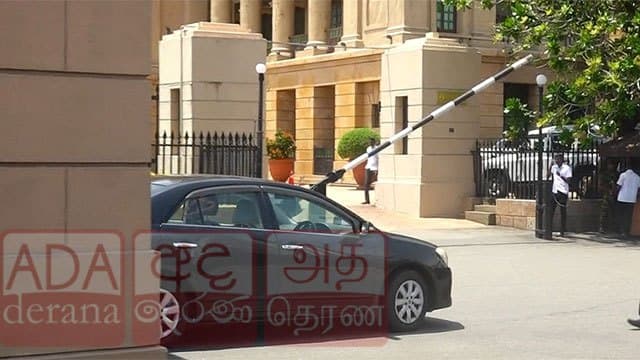


A delegation from the Bar Association of Sri Lanka (BASL) has arrived at the Presidential Secretariat today (12) for a meeting with President Anura Kumara Dissanayake to discuss the proposed extension of the retirement age of Supreme Court and Court of Appeal judges.
The meeting follows a request by the BASL for an opportunity to present its concerns directly to the President.
The proposal has drawn strong opposition from the legal profession, opposition political parties, civil society organisations and several international legal bodies, with concerns raised over its potential impact on judicial independence.
What does the proposed amendment say?
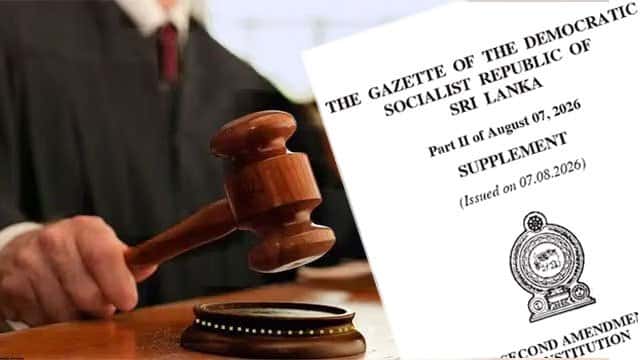
The proposed 22nd Amendment to the Constitution, published in the Gazette on August 7, seeks to increase the mandatory retirement age of Supreme Court judges from 65 to 67 years.
The retirement age of Court of Appeal judges would also be increased from 63 to 65 years.
Under the proposed changes, the Chief Justice would retire upon reaching the age of 67 or completing six years in office, whichever occurs first.
The Cabinet of Ministers recently approved the proposed constitutional amendment, with the Government stating that the changes are intended to expedite the hearing of cases and improve the efficiency of the judicial system.
BASL raises concerns
The BASL had earlier communicated its position on the proposed amendment to the President in writing and requested an opportunity to discuss the matter with him.
The association also raised the matter during a meeting with Justice Minister Harshana Nanayakkara and requested a meeting with the President.
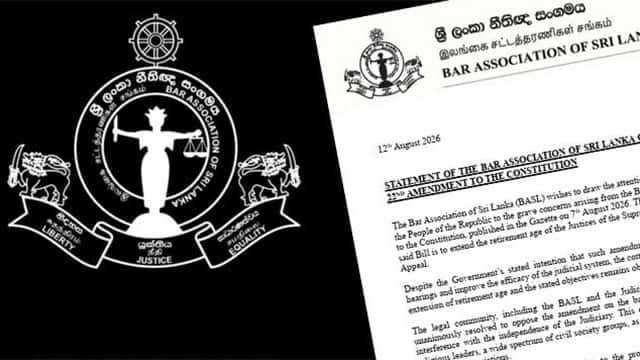
In a statement issued today (12), BASL President Rajeev Amarasuriya and Secretary Nalin De Silva said the association strongly opposed the proposed 22nd Amendment.
The BASL warned that extending the retirement age of Supreme Court and Court of Appeal judges could have serious implications for judicial independence and public confidence in the judiciary.
The association also questioned the Government's justification for the amendment, saying the connection between extending judges' retirement age and expediting cases or improving judicial efficiency remains unclear.
The BASL said the legal community, including the BASL and the Judicial Service Association, had resolved to oppose the proposed amendment on the basis that it constitutes direct interference with the independence of the Judiciary.
Wider opposition
The association said concerns regarding the proposal had also been expressed by religious leaders, civil society organisations and prominent overseas law and judges' associations.
The proposed changes have therefore triggered a wider debate over judicial independence, the tenure of judges and the potential implications of altering the retirement age of superior court judges.
The meeting between the BASL delegation and President Dissanayake is expected to provide an opportunity for the association to present its concerns and position on the proposed constitutional amendment directly to the President.