











The heads of two of the Middle East's biggest oil producers warned that the rest of the world will have to share the burden of paying for the Iran war and the need for infrastructure spending that it has created.
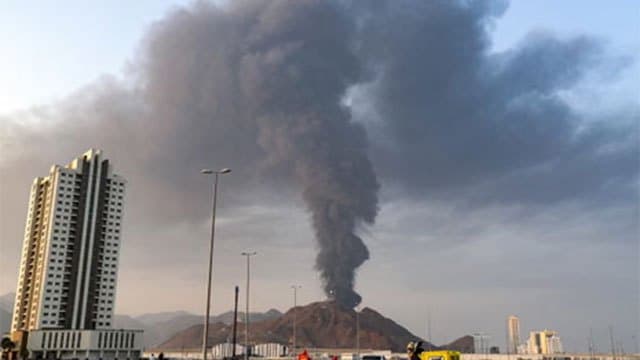
The conflict has led to widespread damage to oil pipelines, refineries, gas plants and dozens of tankers, racking up a bill for new investment that is already in the tens of billions of dollars.
Amin Nasser, chief executive officer of Saudi Aramco, and Sheikh Nawaf Al-Sabah, his counterpart at Kuwait Petroleum Corp., told the Energy Intelligence Forum on Monday they were looking to expand export-route and overseas-storage capabilities.
The KPC boss said that if European nations want Kuwaiti-made fuels like diesel and jet fuel, they will have to invest in the infrastructure to store the products. “No country should face this alone,” Nasser said. “Oil and gas infrastructure is not a cost to be minimized or avoid. It is a collective necessity for producers and consumers alike.” Sheikh Nawaf said the need to store fuels is particularly acute in Europe, where Kuwait had become a major supplier of refined oil products before the conflict. The continent has since been thrust into an energy crisis, with diesel in especially short supply.
Kuwait is now discussing investments with European partners to store more refined fuels closer to consumers, he said.
“We want to be in that position where we're providing you the distillates and you also need to make those logistical investments ready so that we can store.”
Nasser said that even if the crisis were to end now, about 2 million barrels a day of additional demand could be needed for as long as two years just to replenish depleted stockpiles.
Major oil company executives echoed that warning at the EI forum on Tuesday.
“There aren't any more inventories to drain in the West,” said Russell Hardy, chief executive officer of Vitol Group, the world's largest commodity trading house.
Chevron Corp. Chief Executive Officer Mike Wirth similarly warned that even while recent strategic reserve releases could provide some short-term relief, the market remains fragile.
Aramco is working on alternative crude export routes to diversify away from reliance on its traditional Persian Gulf and Red Sea shipment options to reach global buyers, Nasser said, without elaborating. The company is also studying plans that would double or triple the capacity of its overseas storage facilities, he said.
The importance of paying forward for more flexible arrangements has been underscored by the kingdom's return on the East-West pipeline, which has served as a vital route to bypass the Strait of Hormuz as shipments through the world's most important energy chokepoint have been disrupted. The cost of building the conduit paid out in 14 days once the conflict began, Nasser said. As the war drags into an eighth month, causing historic disruption, he called on others to invest in making their supply chains more nimble.
“Of course, not every system should look like ours, but every system needs deeper wells of resilience,” he said.
– with Agencies inputs --