









The introduction of digital security stickers on alcoholic beverages has yet to result in a significant increase in government tax revenue, officials told the Parliamentary Committee on Public Finance (CoPF).
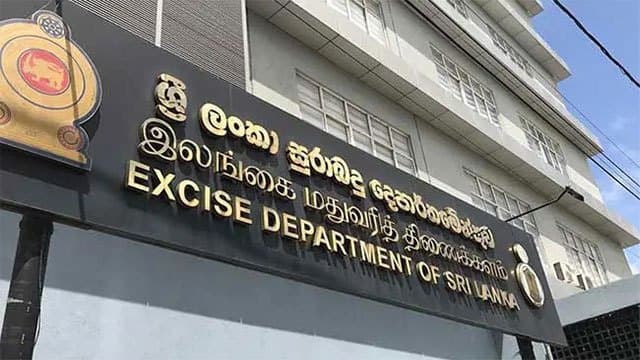
The issue was raised when officials from the Excise Department were summoned before the Committee on Public Finance.
CoPF Chairman Parliamentarian Dr. Harsha de Silva questioned officials about the effectiveness and quality of the digital security stickers, pointing out the significant financial implications of counterfeit or improperly labelled alcohol bottles.
“Let’s assume the tax is 10 percent. The difference represented by the sticker would be only Rs. 1.80. But if a counterfeit product is produced, the difference per bottle could be around Rs. 2,200,” Dr. de Silva said.
He added that if the stickers were not properly applied or were of poor quality, the resulting cost could amount to approximately Rs. 2,200 per bottle, referring to findings contained in audit reports.
Responding to the concerns, Excise Department officials said government revenue from excise duties had increased significantly.
“This tax has increased very rapidly. In 2025, for the first time in history, we achieved the highest-ever excise revenue target,” an official said.
The official further stated that revenue collection in 2026 had already surpassed the previous record, reaching approximately 116 percent of the target, which they described as the highest level recorded to date.
However, officials acknowledged that several minor issues remain, including concerns surrounding the quality of the digital security stickers.
The committee therefore focused on whether the current sticker system was effectively addressing revenue leakage and whether problems with sticker quality were undermining the intended purpose of the system.