









Global oil prices are back above $100 per barrel as fighting in the Middle East raises concerns about prolonged disruptions to oil supply.
Brent crude, the global oil benchmark, rose 3.36% Wednesday and settled at $101.21 per barrel. It was Brent’s first time hitting $100 per barrel since July and its highest closing level since May 22.
US crude oil rose 3.25% and settled at $96.05 per barrel, also its highest closing level since May 22.
Brent hit $100 per barrel early Wednesday after a day of conflict and war developments Tuesday that included the US striking Iranian oil tankers and earlier saw the Iran-backed Houthis attack Saudi Arabia.
Brent and US crude are each up more than 65% this year, raising the cost of energy across the globe.
The rise in oil prices has pushed up the price of oil products from gasoline to diesel, hitting consumers’ wallets and putting inflation in focus for central banks.
Back above $100 per barrel
Oil prices have climbed this month as conflict between the United States and Iran reignited. Tensions over the Strait of Hormuz are stoking concerns that oil tankers will continue to face obstacles trying to transit the key waterway.
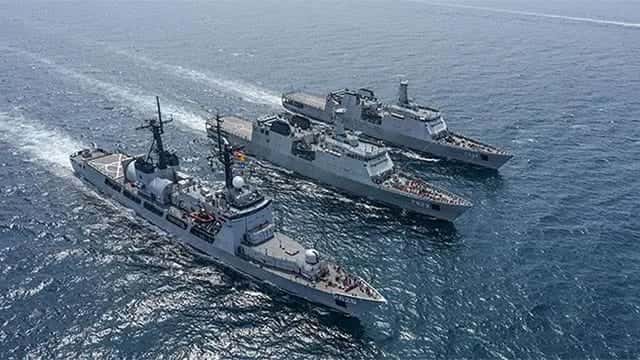
The US struck four Iranian tankers in the Gulf of Oman and one near Kharg Island in response to attempted ballistic missile attacks on a US Navy warship, US Central Command said Tuesday. Kharg Island, located in the Persian Gulf, is a critical hub for Iran’s oil exports.
Oil prices initially jumped Tuesday after the Iran-backed Houthi rebels attacked Saudi Arabia, targeting oil and other infrastructure. Saudi-led forces vowed to respond, saying dozens of civilians had been injured.
The Yemen-based Houthis’ attacks on Saudi Arabia add to concerns that the Iran war is broadening out across the region, impacting more oil production, continuing to slow the global flow of oil and putting pressure on supply.
Brent first settled above $100 per barrel this year on March 12, then its highest level since 2022 when Russia invaded Ukraine.
After surging higher in April and May, Brent then tumbled and fell as low as $72 per barrel in June after the US and Iran said they reached an agreement to re-open the Strait of Hormuz.
But Brent resumed climbing as conflict persisted, topping $100 per barrel again in July before wavering and then hitting that mark again on Wednesday.
The price of oil has moved around as traders monitor traffic through the Strait of Hormuz and try to gauge whether the market is going to see bigger supply issues or not. The United States is trying to help oil tankers move through the strait while Tehran says it retains control.
Fighting in recent months has spread to the Red Sea and the Bab al-Mandab Strait, complicating the outlook for the oil market. The Houthis have targeted the Bab al-Mandab Strait, a waterway off the coast of Yemen that connects the Red Sea to the Gulf of Aden. The Houthis’ attacks on Saudi oil infrastructure are also contributing to nerves that the region could face greater disruptions to oil production.
While disruptions to oil supply are in focus, analysts are also watching demand. China, the world’s largest oil importer, has helped keep a lid on oil prices by lowering its imports in recent months, analysts say. If imports pick up in China, it could push oil prices higher.
Adjusting forecasts
US officials bumped up their energy price forecast on Wednesday.
Brent crude is now expected to average $91 per barrel this year and $74 next, according to the US Energy Information Administration, the Energy Department’s forecasting arm. That’s up from the EIA’s forecast a month ago for $87 and $69, respectively.
The EIA similarly bumped its gasoline price outlook, projecting an average of $3.84 per gallon this year and $3.35 next.
Source: CNN
– Agencies