











Sri Lanka is likely to experience higher temperatures and reduced rainfall in the coming months as the El Niño climate phenomenon persists, with authorities urging the public to use water and electricity sparingly.
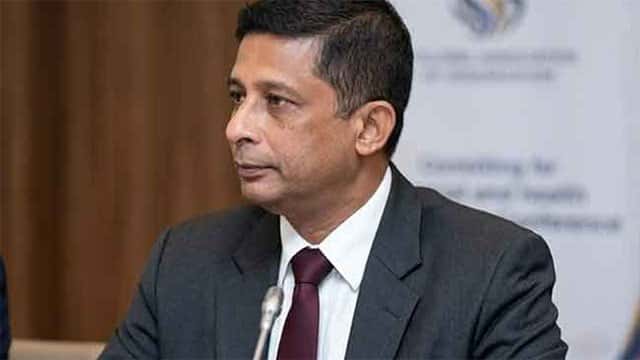
The Director General of the Department of Meteorology, Ajith Wijemanna said El Niño could continue for another eight to 10 months, potentially lasting until March or April 2027. He said global forecasts indicate the phenomenon is expected to strengthen between October and December before gradually weakening during the first quarter of next year.
Wijemanna said a slight increase in rainfall is forecast over the coming days in the Sabaragamuwa, Western and North Western provinces, as well as the Galle, Matara, Kandy and Nuwara Eliya districts, with relatively heavier showers expected on July 29.
However, he said the Northern, North Central and Eastern provinces, and the Hambantota District, are expected to experience predominantly hot and dry conditions through the end of July and into early August.
Temperatures in Trincomalee, Vavuniya, Mullaitivu and Batticaloa have already exceeded 35°C and are expected to rise further in the coming days, he said.
The Meteorology Department also advised the general public to avoid prolonged outdoor exposure between 2 p.m. and 4 p.m., when solar radiation is most intense, remain in shaded areas where possible and drink sufficient water. People suffering from non-communicable diseases and young children were also advised to minimise exposure to extreme heat.
Wijemanna noted that rainfall expected during late September and October could increase water levels in reservoirs, but stressed that the water should be managed carefully to ensure adequate supplies during the first quarter of next year.
He also warned that low-pressure systems or cyclones forming over the Bay of Bengal between October and December could bring heavier-than-normal rainfall to parts of the island.
With the commencement of the northeast monsoon in December, northern and eastern Sri Lanka could face a risk of flooding, although Wijemanna said it was too early to issue a definitive forecast.
Meanwhile, the Irrigation Department, the Mahaweli Authority and the Office of the Water Management Secretariat have begun planning water management measures amid concerns that reduced rainfall during August and early September could lower water levels in reservoirs and other water sources.