








The Health Entomology Officers' Association has warned that the Breteau Index—an international indicator used to measure the density of dengue mosquito larvae—has increased significantly in many parts of the country.
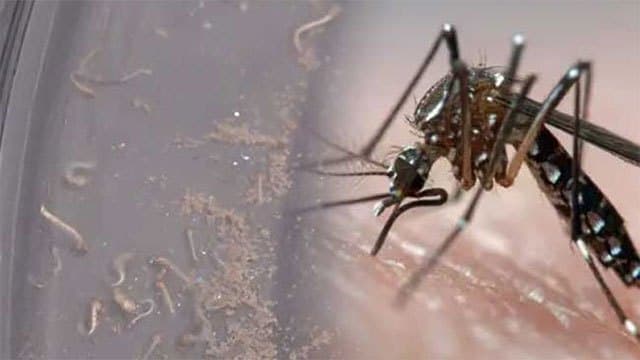
The index, which primarily reflects the prevalence of Aedes aegypti mosquitoes, is a key measure used in monitoring dengue transmission risk, as the species is the main vector responsible for spreading the virus.
Health authorities note that, according to World Health Organization guidelines, the Breteau Index should be maintained below a level of 3 in order to keep mosquito populations under control and reduce the risk of outbreaks.
However, the Association said that current surveillance data shows the index has climbed well above recommended levels in several areas.
The President of the Health Entomology Officers' Association, Najith Sumanasena described the situation as concerning, stating:
“In many areas, the Breteau Index is currently above 20. This is not a good situation. The population of Aedes aegypti has increased compared to previous years.”
Public health officials have also urged communities to strengthen mosquito control measures, including the elimination of stagnant water sources, as authorities monitor the situation closely amid heightened dengue transmission risks.